
- OUR COMPANY
Your Trusted Source for Heavy-Duty Conveyor Belts
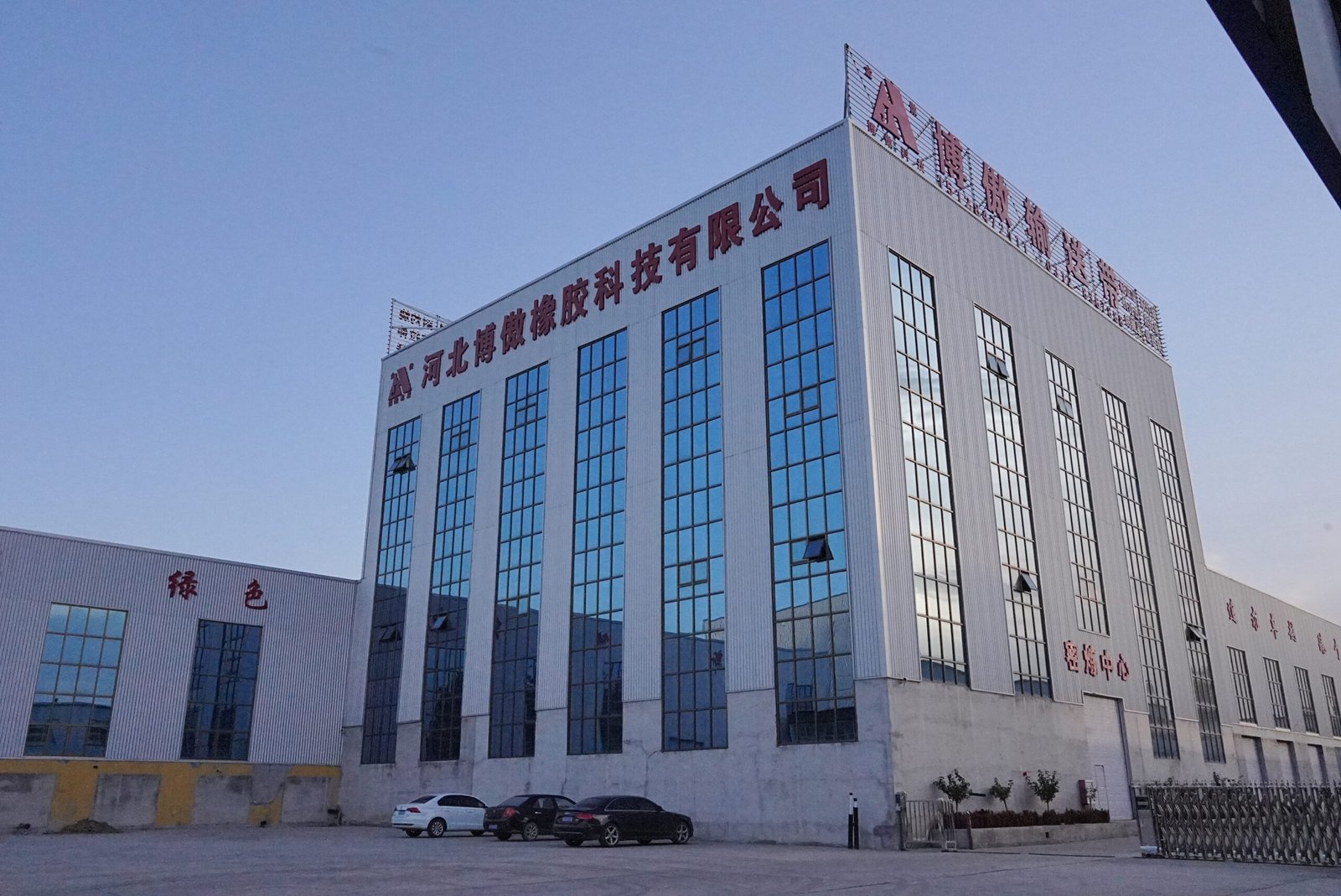
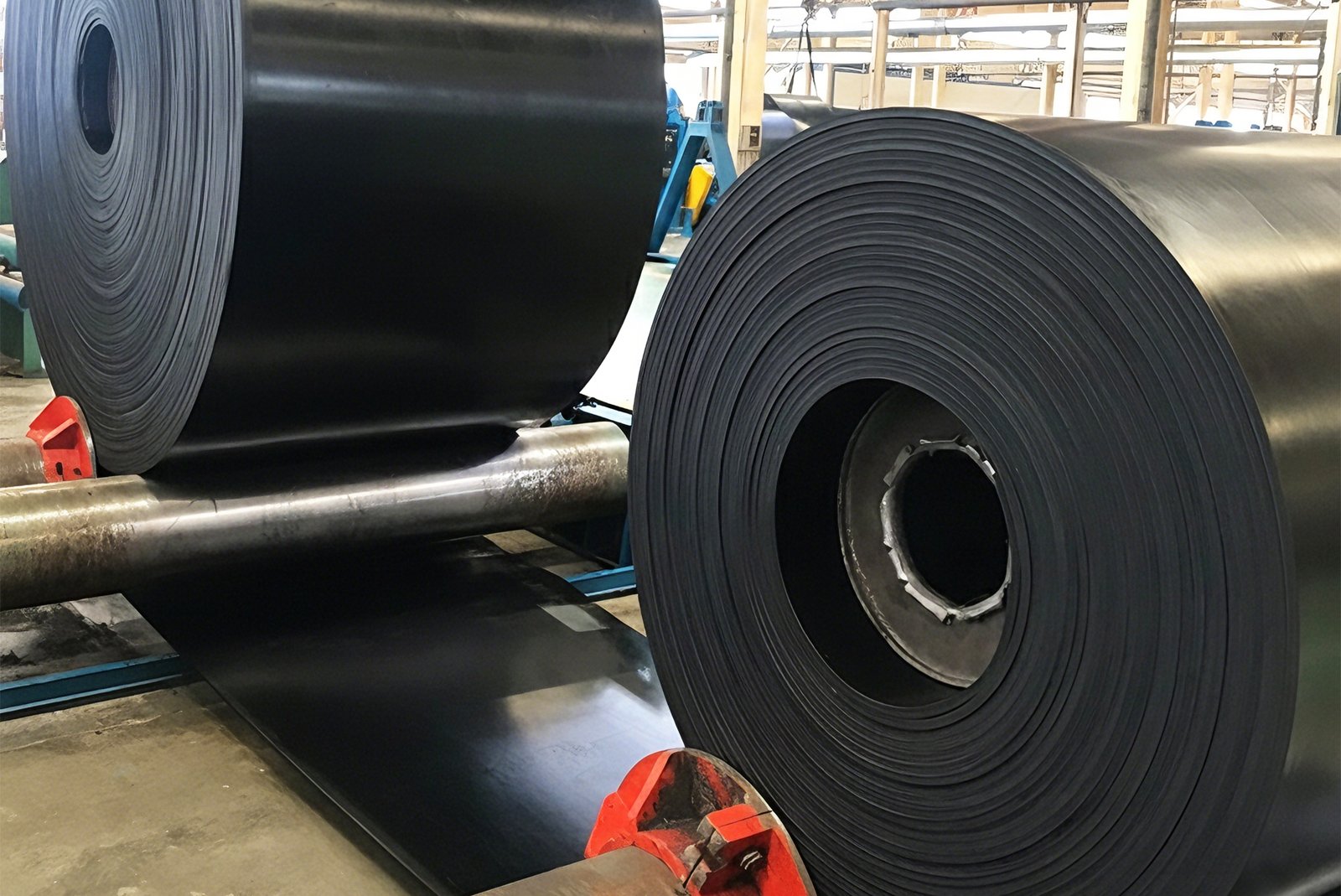
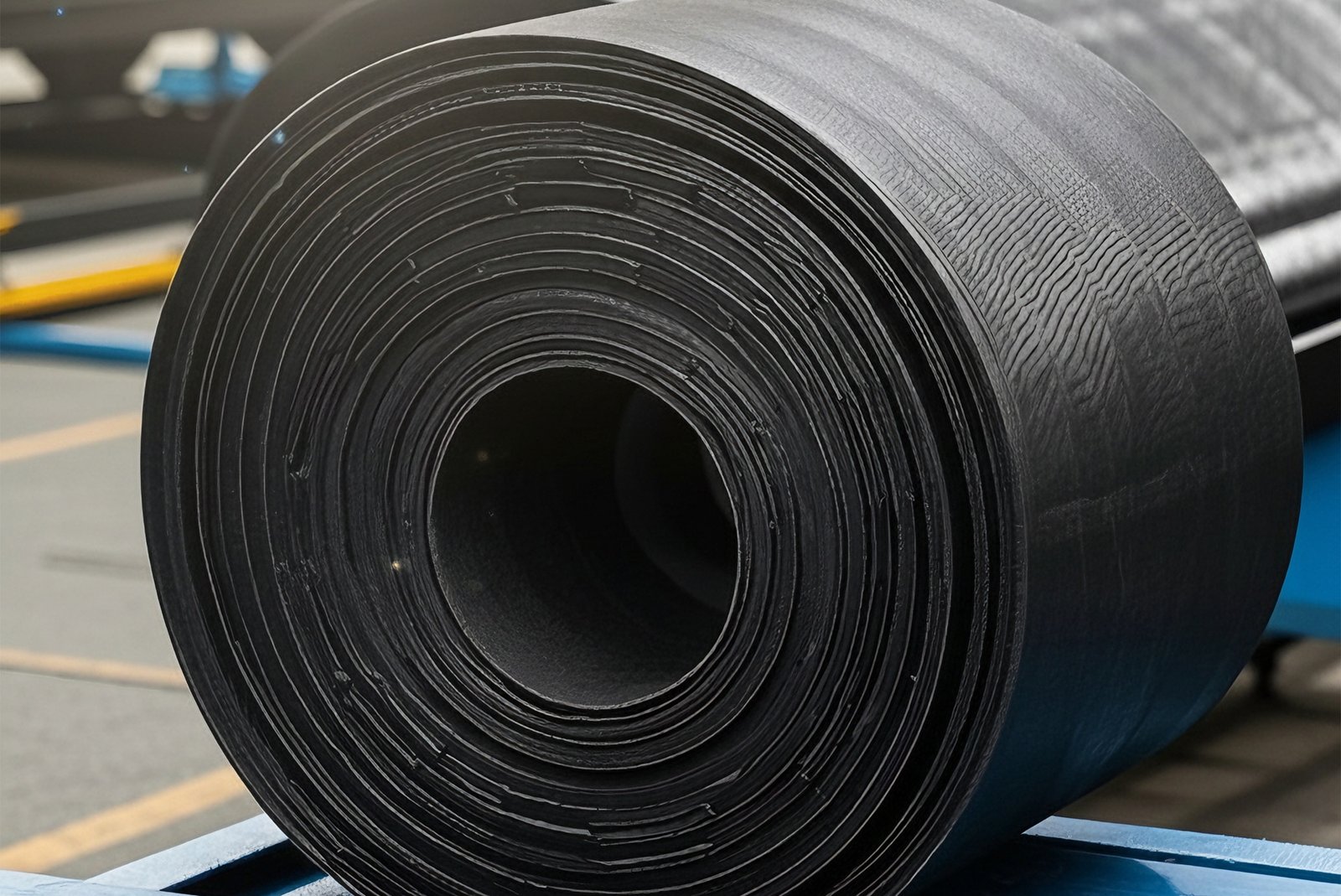
Extreme conditions demand exceptional belts, yet finding reliable, cost-effective solutions for high-heat, heavy-load environments remains challenging. Bolao solves this by engineering customized rubber belts with advanced compounds and reinforced structures, delivering durability while optimizing long-term costs.
As a leading manufacturer with 45 years of expertise, BAO produces tailored belts for diverse needs—heat-resistant for cement kilns, flame-retardant for mining, steel cord for haulage, or sidewall for inclines—ensuring superior safety and efficiency.
Discover the BAO difference with bespoke belts crafted to your specifications. Rely on our lab-tested quality and global standards compliance. Connect today to elevate your projects.
OUR SKILL
DEVELOPMENT
90%
DESIGN
70%
TECHNICAL
80%
- WHY CHOOSE US
Four Decades of Risk-Mitigation Expertise.
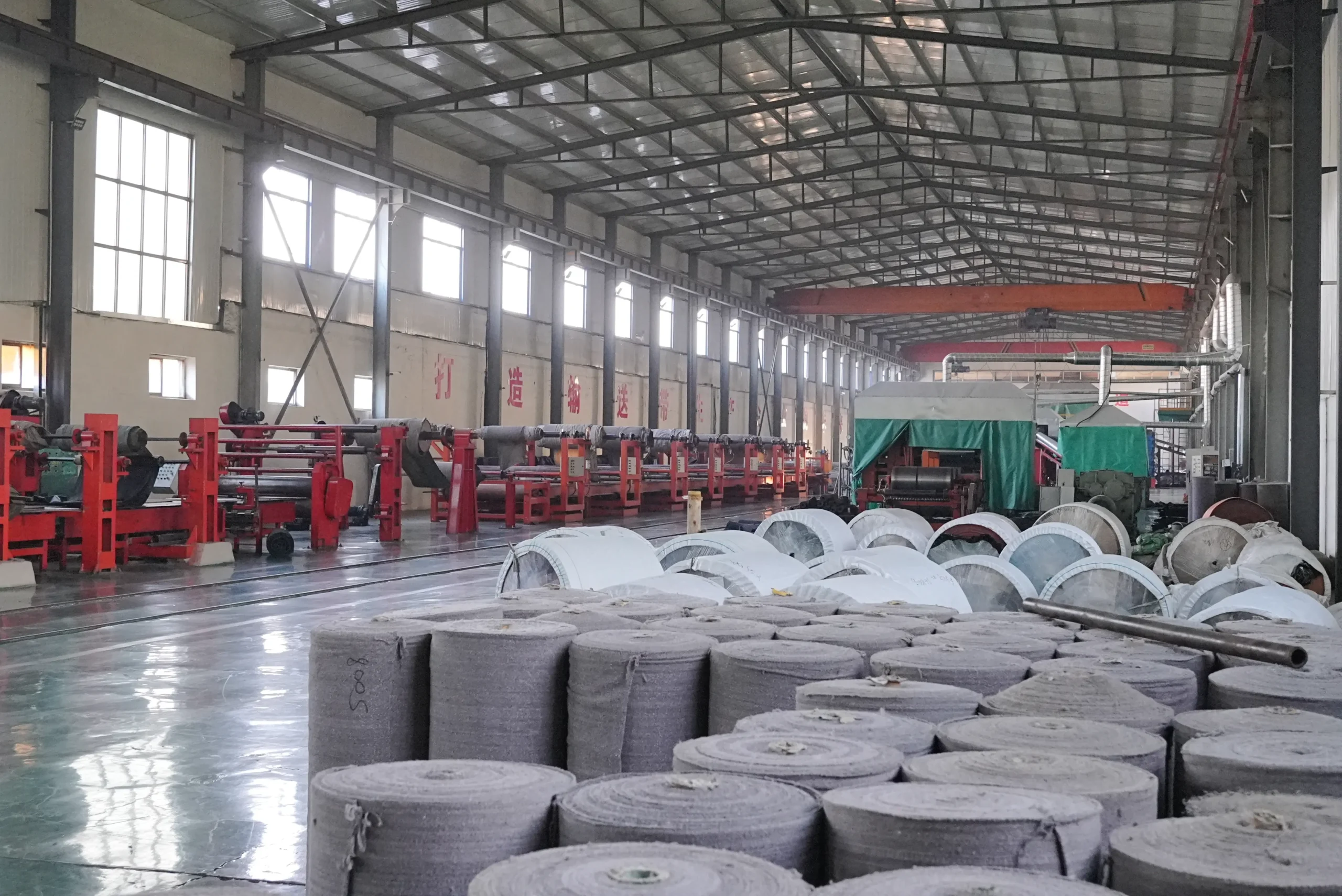
Boao Rubber has been dedicated to advanced material engineering since 1980. Our commitment to scale and technical precision ensures risk mitigation and long-term supply security for your most demanding projects, reducing your Total Cost of Ownership.
- 40+ Years of Manufacturing Stability
- Certified In-House Chemistry and Physics Labs
- Extreme Capacity up to 3300mm Width
- Strict Adherence to Global DIN & RMA Standards
01
CORE INDUSTRY CLUSTER
Located in China’s Premier Rubber Industry Cluster. Strategically based in Boye Industrial Park, we offer streamlined logistics and competitive raw material pricing advantages.
02
SECURE SUPPLY CHAIN
$100 Million Registered Capital and Vast Inventory. Our large financial base and inventory capacity ensures stability and rapid response to urgent, high-volume orders globally.
03
CERTIFIED QUALITY
Independent Chemical and Physical Lab Testing.Every batch undergoes rigorous internal analysis, ensuring materials meet or exceed global standards like DIN and RMA.
04
DESIGNED FOR MEGA INFRASTRUCTURE
Custom Widths Solve Unique High-Volume Transport Challenges. When standard belts fall short, our wide-belt technology provides custom solutions for unique project transport needs.
- WHAT WE OFFER
The Ultimate Guide Of Conveyor Belts
Graha prime construction is dedicated to being a partner for all of your construction needs.
Table of Contents
01
What Are Conveyor Belts?
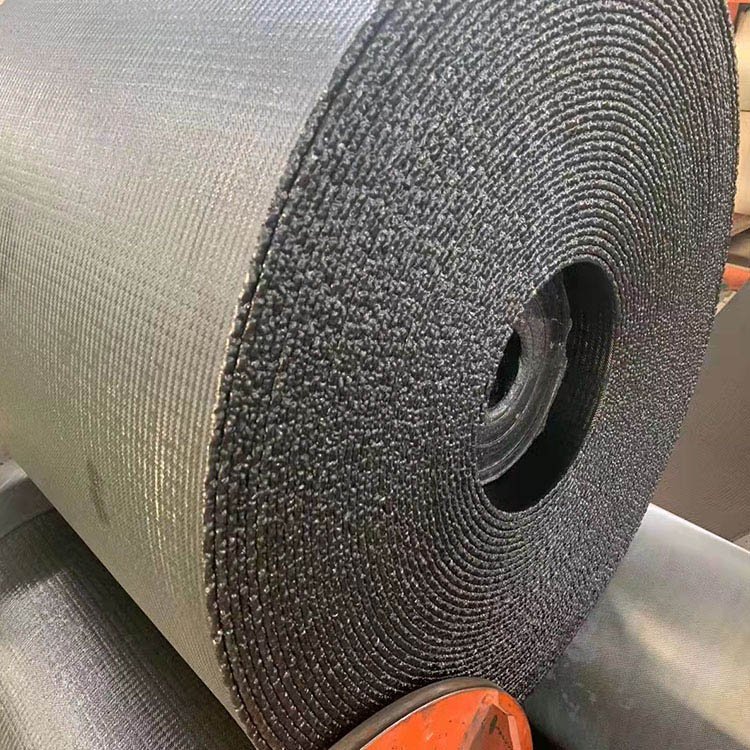
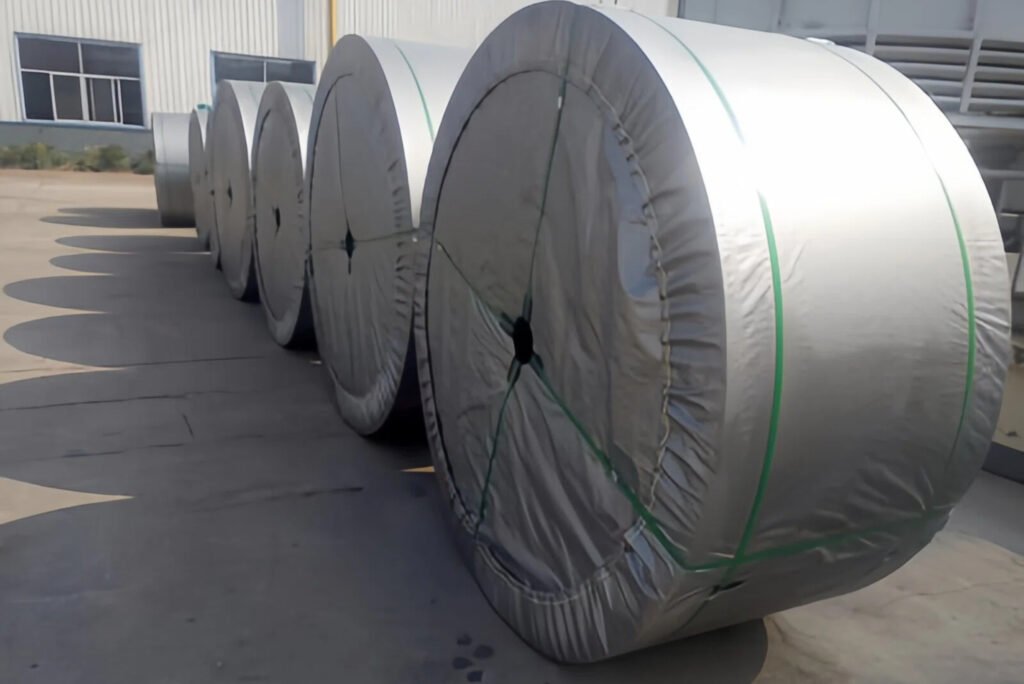
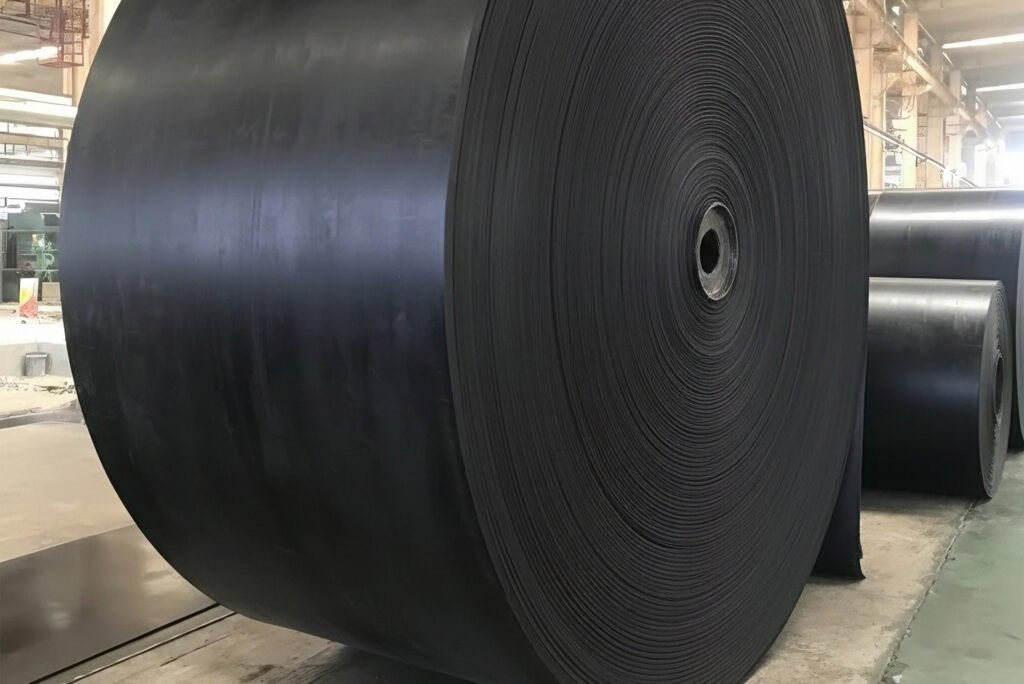
Conveyor belts are endless loops of flexible material used to transport bulk goods efficiently in industrial settings. They replace manual handling, reducing labor and increasing throughput in harsh environments.
02
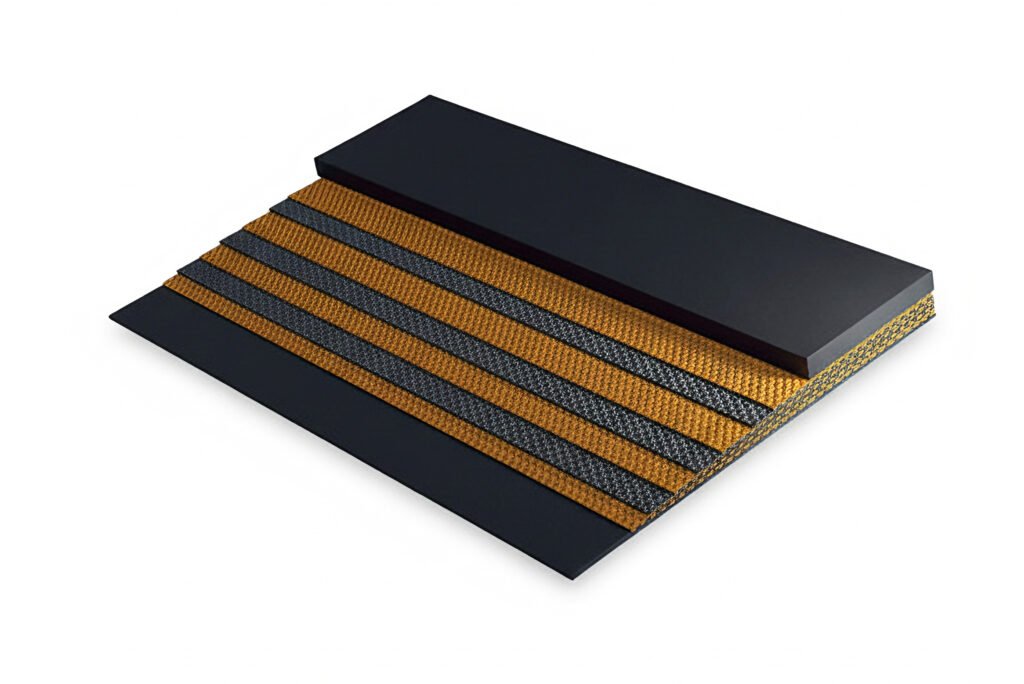
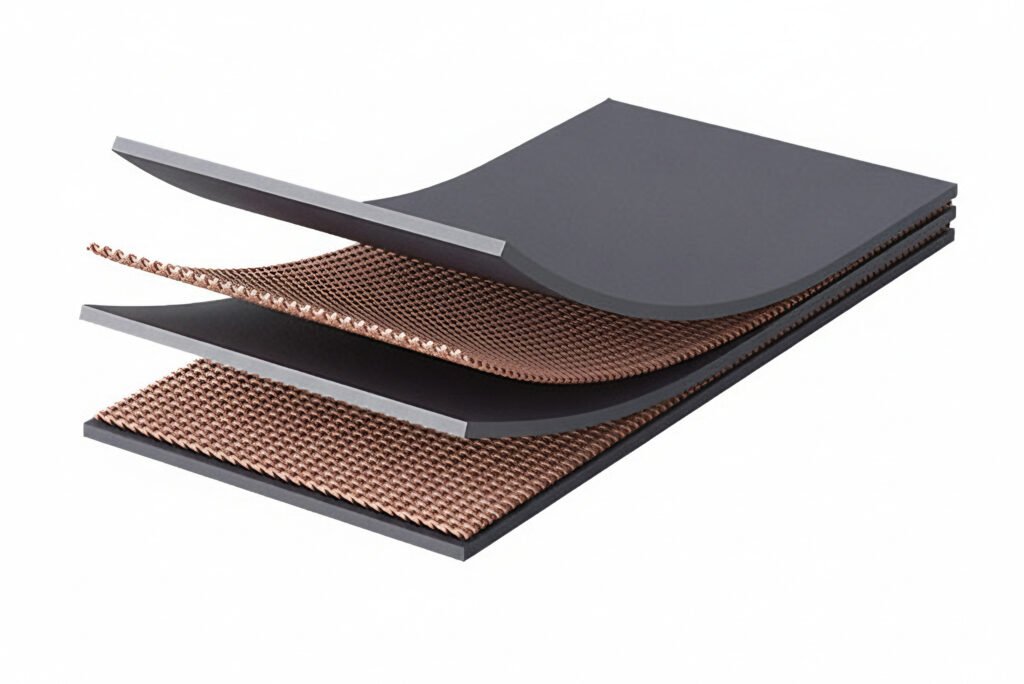
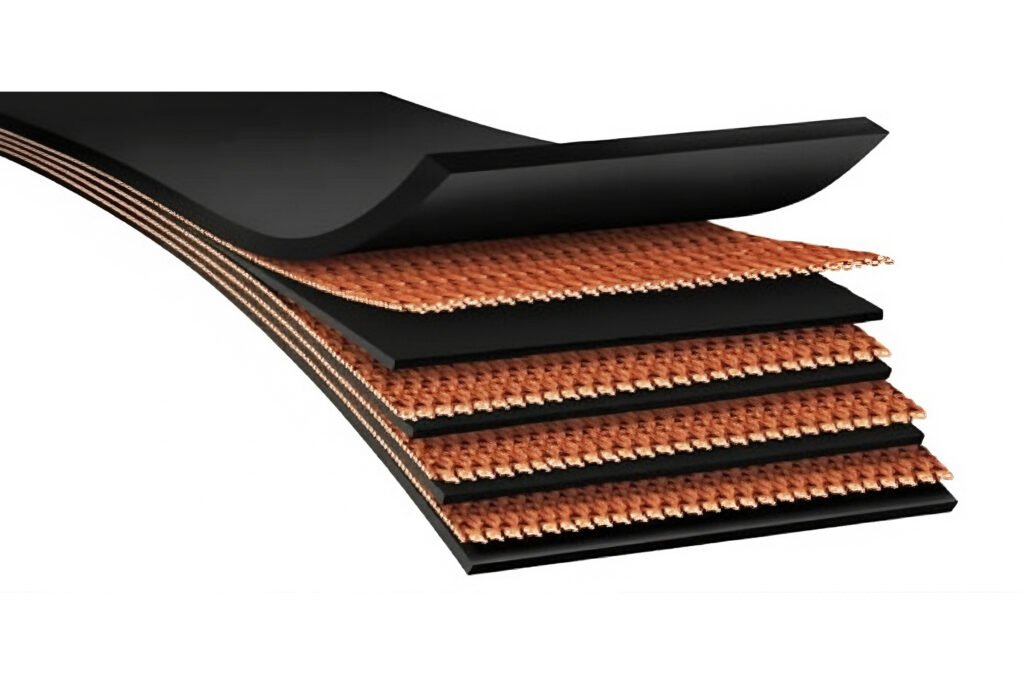
Conveyor Belt Structure & Components
Conductor of a construction orchestra. They oversee and manage all aspects of a construction project, from start to finish.
- Top Cover: Protective rubber layer for grip/abrasion/heat resistance.
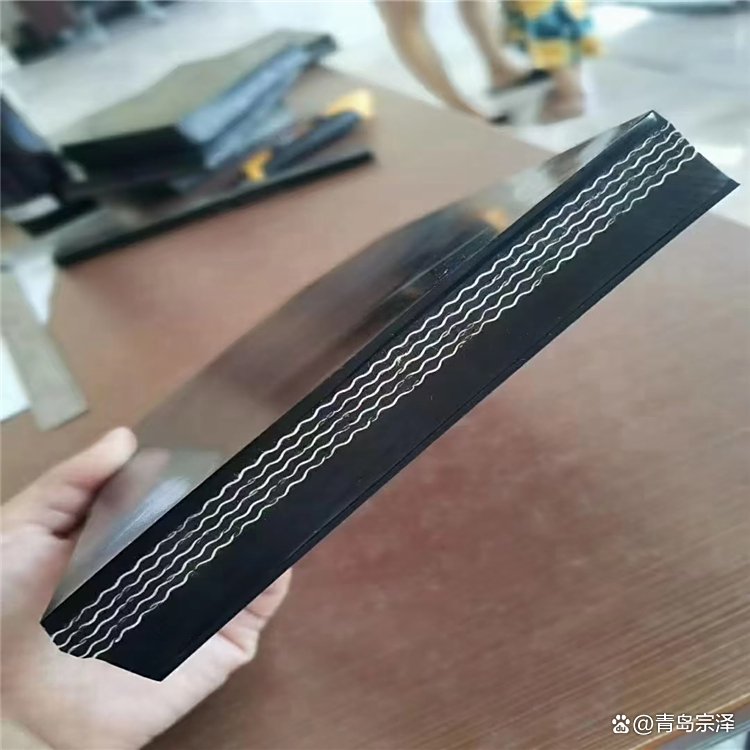
- Carcass: Strength core (steel cord for heavy load, fabric for flexibility).
- Bottom Cover: Smooth for pulley contact, low friction.
-1024x684.jpg)
03
Types of Conveyor Belts: A Systematic Overview
Conveyor belts are highly specialized tools, each engineered to address specific operational challenges in heavy industries. The classification is primarily based on the carcass construction (the load-bearing core) and the functional properties of the cover compounds. Understanding these distinctions is essential for selecting a belt that delivers optimal performance, safety, and longevity.
1. Steel Cord Conveyor Belts
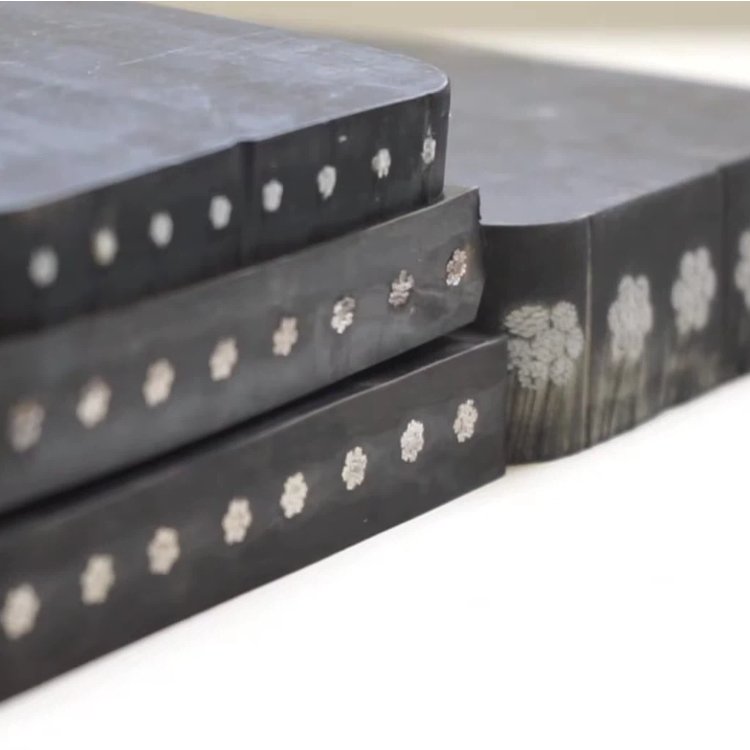
Steel cord belts represent the pinnacle of strength and durability for demanding applications. The carcass consists of high-tensile steel cables embedded in rubber, providing exceptional longitudinal strength and minimal elongation (typically less than 1.5%). These belts excel in long-distance, high-tension conveying where reliability is paramount.
Key characteristics
- Tensile strength range: ST630 to ST5400 N/mm
- Excellent resistance to impact and tearing
- Superior troughability for high-volume material transport
- Ideal for mining, ports, and large-scale power plants
Common applications include overland ore transport and high-capacity coal handling systems.
2. Multi-Ply Fabric Conveyor Belts (EP/NN)
Multi-ply fabric belts offer a balanced combination of strength, flexibility, and cost-effectiveness. The carcass is constructed from multiple layers of synthetic fabric—either polyester (EP) warp with nylon (NN) weft or all-nylon (NN) plies—impregnated with rubber for adhesion and stability.
- Good troughability and fastener retention
| Fiber Composition | EP (Polyester Warp / Nylon Weft) | NN (Nylon Warp / Nylon Weft) |
|---|---|---|
| Elongation at Break | Low (typically 1-2% permanent elongation) | Higher (typically 3-4% permanent elongation) |
| Dimensional Stability | Excellent – minimal stretch under load, maintains shape over time | Good, but more prone to gradual stretching |
| Impact Resistance | Good | Excellent – higher energy absorption due to nylon's toughness |
| Fatigue Resistance | Superior – polyester resists repeated bending better | Good, but nylon fatigues faster under constant flexing |
| Troughability | Very good – forms deep troughs easily | Excellent – highly flexible, ideal for deep troughing |
| Load Support | Excellent for high-tension, long-distance applications | Good for moderate loads, but may require more plies for equivalent strength |
| Moisture Absorption | Low (polyester is hydrophobic) | Higher (nylon absorbs moisture, can affect performance in humid environments) |
| Temperature Range | -30°C to +150°C (stable across wide range) | -30°C to +120°C (nylon softens at higher temps) |
| Abrasion Resistance | Good (depends on cover compound) | Slightly better initial, but can degrade faster with moisture |
| Fastener Retention | Excellent – polyester holds fasteners securely | Good |
| Cost | Generally higher due to polyester's performance benefits | Lower – more economical for many standard applications |
| Typical Strength Range | EP100 to EP600 (N/mm per ply) | NN100 to NN500 (N/mm per ply) |
| Best Applications | Long-distance, high-tension, stable operations (cement, aggregates, ports) | High-impact, flexible troughing needs (mining, quarrying, short/medium conveyors) |
| Lifespan Expectancy | Longer in high-tension, low-flex environments | Longer in high-impact, flexible environments |
| Common Standards | ISO 283, DIN 22102, AS 1332 | ISO 283, DIN 22102 |
3. Heat Resistant Conveyor Belts
Heat resistant belts are formulated to maintain structural integrity and performance when transporting hot materials. Special rubber compounds and reinforcement materials prevent cracking, hardening, or delamination under thermal stress.
Two primary variants:
- HR Grade Belts (T1–T4): Polymer-based covers for continuous temperatures up to 180°C
- High-Temperature Metal Mesh Belts: Open mesh construction with steel core for instant temperatures reaching 800°C, allowing heat dissipation while maintaining strength
Applications include cement clinker transport, sintered ore handling, and steel mill operations.
4. Flame Retardant Conveyor Belts
Designed for environments where fire safety is critical, flame retardant belts incorporate self-extinguishing properties and anti-static characteristics to minimize ignition risks.
Main types:
- Solid Woven PVG/PVC Belts: Whole-core construction for underground mining, meeting MT914 standards
- Fabric Core Flame Retardant Belts: Multi-ply construction with flame-resistant covers
PVG (Polyvinyl Chloride impregnated solid woven with plastic cover) and PVC (Polyvinyl Chloride solid woven) are the two primary types of solid woven flame retardant conveyor belts, widely used in underground coal mining and other fire-sensitive environments. Both meet strict safety standards like MT914, but their differences in construction and performance make them suitable for varying conditions. Below is a detailed, multi-faceted comparison.
| Aspect | PVG (Plastic Cover on Solid Woven) | PVC (Pure PVC Solid Woven) |
|---|---|---|
| Carcass Construction | Solid woven fabric impregnated with PVC, with additional plasticized PVC top/bottom covers | Solid woven fabric fully impregnated and coated with PVC only |
| Cover Material | Thicker plasticized PVC covers for enhanced protection | Thinner PVC coating integrated with carcass |
| Flame Retardancy | Excellent – self-extinguishing, alcohol burner test ≤3s, drum friction ≤325°C | Very good – self-extinguishing, similar tests but slightly lower peak performance |
| Anti-Static Properties | Superior – surface resistance <3×10^8 Ω, better in dusty environments | Good – meets <3×10^8 Ω, but cover thickness affects consistency |
| Abrasion Resistance | High – thicker covers provide better wear protection | Moderate – thinner coating wears faster in abrasive conditions |
| Impact & Tear Resistance | Excellent – reinforced covers absorb impacts better | Good – solid core strong, but thinner covers more vulnerable |
| Flexibility & Troughability | Good – slightly stiffer due to covers | Excellent – highly flexible, ideal for tight troughing |
| Temperature Range | -20°C to +80°C (covers maintain integrity) | -20°C to +80°C (similar, but covers less stable at extremes) |
| Moisture Resistance | Very good – plastic covers resist water absorption | Good – PVC inherently resistant, but thinner layer may allow minor penetration |
| Chemical Resistance | Better – thicker covers protect against mild chemicals/oils | Moderate – suitable for general mining, less robust for chemicals |
| Weight | Heavier due to additional cover layers | Lighter – easier handling and lower energy consumption |
| Lifespan in Harsh Conditions | Longer – covers extend service life in abrasive/wet mines | Good – cost-effective for standard underground use |
| Cost | Higher – premium for enhanced protection | Lower – more economical for standard applications |
| Typical Strength | 680–3150 N/mm (whole core) | 500–2500 N/mm (whole core) |
| Standards Compliance | MT914, ISO 340, EN 12882 (often higher safety margin) | MT914, ISO 340, EN 12882 |
| Best Applications | High-risk underground coal with abrasion, moisture, or chemical exposure | General underground coal mining with standard safety needs |
These belts undergo rigorous testing (drum friction, alcohol burner) and are essential for coal mining, tunneling, and chemical plants with explosive atmospheres.
5. Chemical & Oil Resistant Conveyor Belts
In corrosive environments, standard rubber compounds degrade rapidly. Chemical and oil resistant belts use specialized covers (NBR, CR, CSM) that resist swelling, cracking, and loss of physical properties when exposed to aggressive substances.
- Acid/Alkali Resistant (A1–A3 levels)
- Oil Resistant (LO/MO/HO grades)
6. Steep Incline & Anti-Slip Conveyor Belts
For conveying at angles greater than 20°, standard flat belts allow material rollback. Steep incline and anti-slip designs incorporate structural modifications to ensure secure material transport.
Key variants:
- Sidewall/Cleated Belts: Wave-shaped sidewalls and cleats prevent spillage (30°–90°)
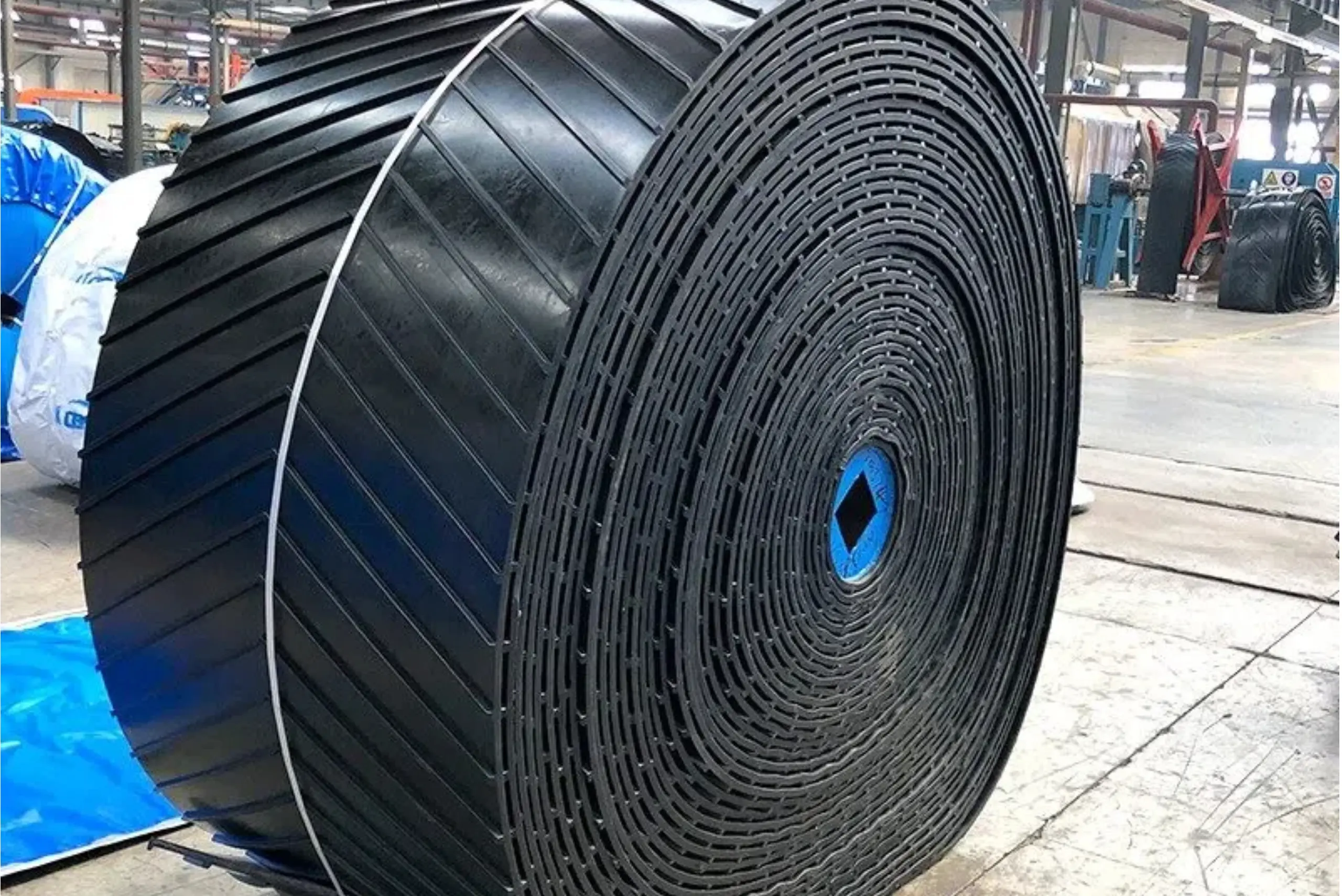
- Patterned/Chevron Belts: V-shaped or herringbone patterns for grip (15°–45°)
- Rough Top Belts: Textured surface for low-angle anti-slip (≤20°)
- Elevator Belts: Reinforced for vertical bucket lifting
These solutions are critical in mining, quarrying, and bulk material handling.
7. Power Transmission Belts
Power transmission belts transfer mechanical energy from motors to driven components, offering efficient, quiet operation compared to gears or chains. Bolao focuses on two main types:
- V-Belts (Classical and Narrow)
Trapezoidal cross-section belts that wedge into pulley grooves for high friction drive. Available in wrapped or raw-edge designs.
Key features: Excellent torque transmission, shock absorption, and flexibility.
Common profiles: A, B, C, D, E (classical); SPZ, SPA, SPB, SPC (narrow for higher power).
Applications: Pumps, fans, compressors, and general machinery in mining equipment or processing plants.
Advantages: Cost-effective, easy installation, tolerant of misalignment.
- Synchronous (Timing) Belts
Toothed belts that engage pulley teeth for precise, slip-free synchronization. Typically reinforced with fiberglass or steel cords.
Key features: Positive drive (no slippage), high efficiency (>98%), low maintenance.
Common types: HTD, STD, or GT profiles.
Applications: Positioning systems, conveyors requiring exact timing, or high-speed drives.
Advantages: Reduced noise, longer life in clean environments, no lubrication needed.
These belts are selected based on power requirements, speed ratios, and environmental factors—Bolao provides customization for specific pulley dimensions or material resistance.
8. Rubber Water Stop Belts
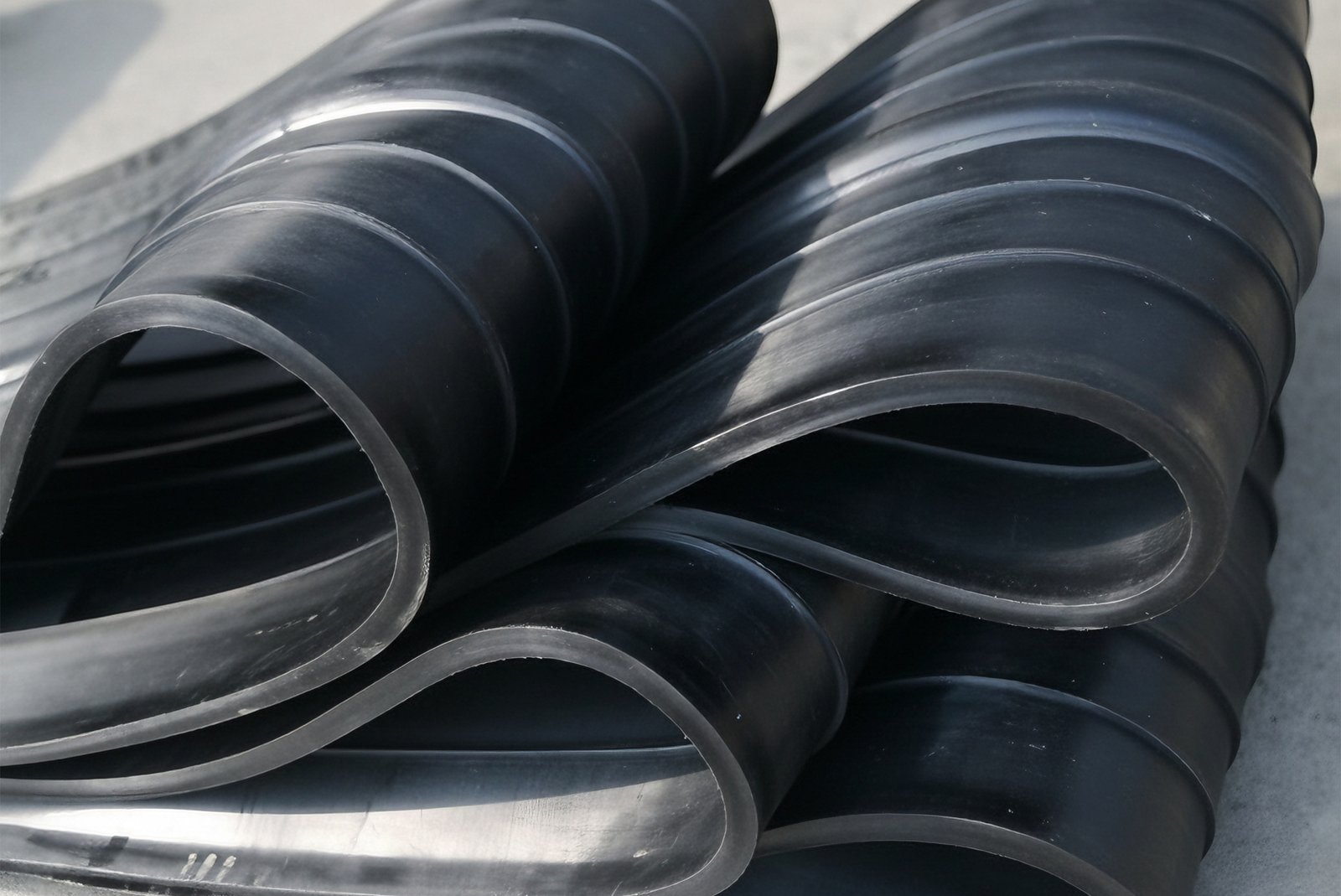
Flexible rubber strips embedded in concrete joints to prevent water seepage in structures exposed to hydrostatic pressure.
Key features: High elasticity, excellent adhesion to concrete, resistance to aging and chemicals.
Common types: Hydrophilic (swelling) or hydrophobic; dumbbell or flat profiles with central bulb.
Applications: Dams, tunnels, reservoirs, basements, and sewage treatment plants.
Advantages: Long-term waterproofing, accommodates joint movement without cracking.
9. System Accessories for Conveyor Optimization
To complete conveyor installations, BAO supplies essential components:
- Rollers & Pulleys: Drive pulleys (lagged for grip), bend pulleys, motorized pulleys, and magnetic pulleys for separation.
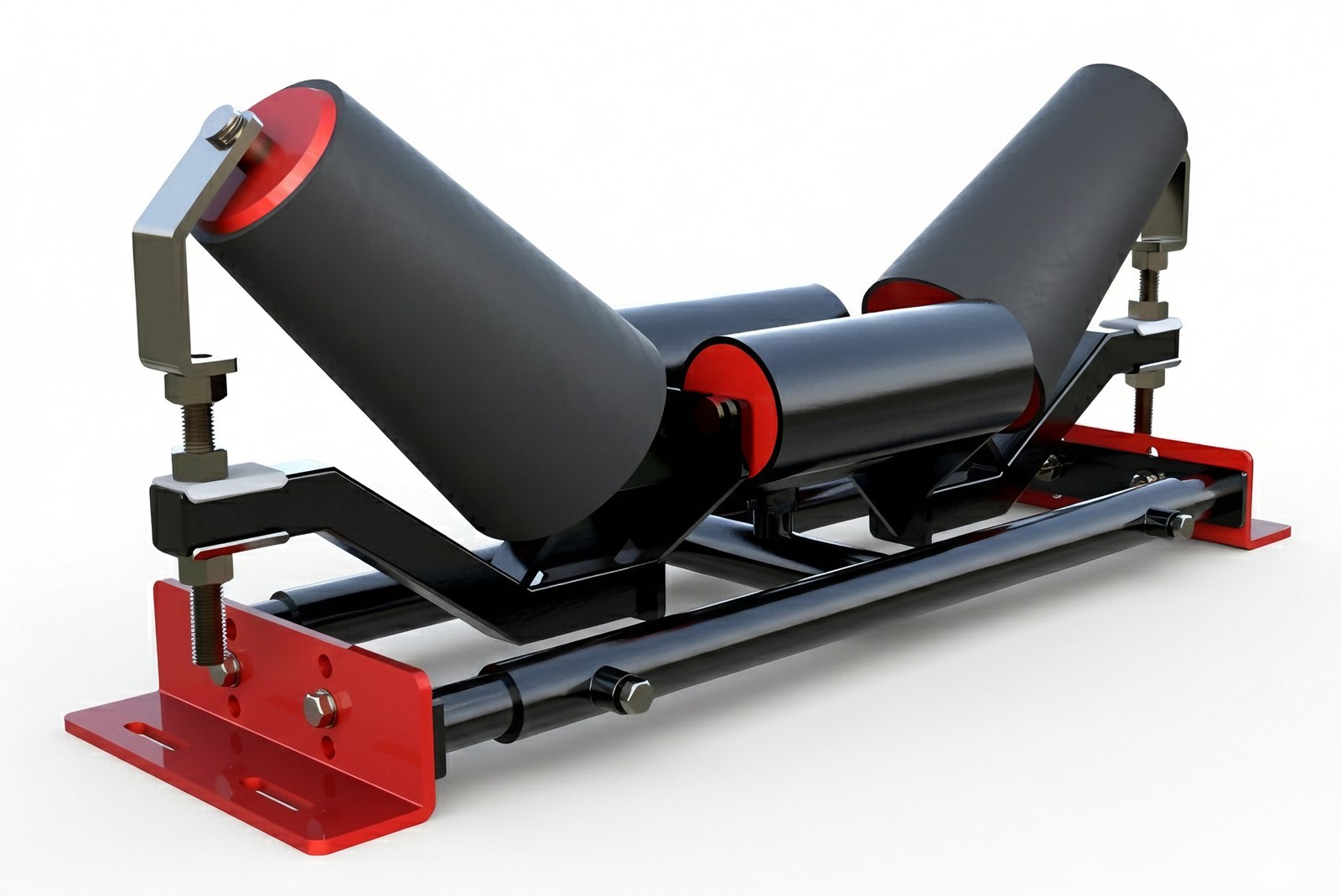
- Idlers: Troughing sets, common idlers, comb/cleaning idlers, self-aligning, and spiral idlers for belt training.
- Support Components: Conveyor brackets, return roller lifting lugs for maintenance access.
- Repair & Vulcanization Materials: Cover rubber strips, repair patches, and cold/hot vulcanizing solutions for on-site fixes.
03
How to Select the Right Conveyor Belt: A Step-by-Step Guide
Choosing the appropriate conveyor belt involves balancing operational demands with long-term performance and cost efficiency. This systematic approach helps avoid common pitfalls like premature failure or over-specification.
01
Evaluate Material Characteristics
Consider weight, abrasiveness, temperature, and corrosiveness. Hot or abrasive materials require heat-resistant or reinforced belts; oily substances demand specialized covers.
02
Assess Load and Distance
Heavy loads over long distances favor steel cord for minimal stretch; medium-duty favors fabric plies.
03
Analyze Environmental Conditions
Underground or explosive areas need flame retardant belts; chemical exposure calls for resistant compounds.
04
Determine Incline and Grip Needs
Angles above 20° benefit from sidewall, chevron, or rough top designs to prevent slippage.
05
Review Safety and Compliance
Match local regulations—MT914 for mining safety, REACH for environmental standards.
06
Factor in Total Cost of Ownership
Include lifespan, maintenance, and downtime costs, not just initial price.
A professional consultation with detailed system data ensures optimal selection.
04
Key International Standards: Compliance Overview
Conveyor belts must adhere to rigorous global standards for safety, performance, and durability. The table below compares major standards and their relevance:
| Standard | Region/Focus | Key Requirements | Typical Application Relevance |
|---|---|---|---|
| ISO 283 | Global – Tensile Properties | Elongation ≤4%, tensile strength testing | All belt types for basic strength verification |
| ISO 4195 | Global – Heat Resistance | Conductive heat aging tests | Heat resistant belts in high-temp environments |
| ISO 340 | Global – Flame Retardancy | Burn time ≤3s, no after-flame | Flame retardant belts for mining safety |
| DIN 22102 | Europe – Abrasion & Covers | Cover grades X/Y/W for wear resistance | Multi-ply and steel cord in abrasive settings |
| RMA Grade I/II | USA – Wear Resistance | Abrasion loss limits | Export belts for American markets |
| AS 1332 | Australia – Textile Strength | Ply adhesion and strength | Fabric and steel cord belts |
| MT914 | China – Mining Flame Safety | Anti-static, drum friction ≤325°C | Underground PVG/PVC belts |
05
Conveyor Belt Production Process: From Raw Materials to Finished Belt
Conveyor belts must adhere to rigorous global standards for safety, performance, and durability. The table below compares major standards and their relevance:
01
Raw Material Inspection
Incoming rubber, fabrics, and steel cords undergo rigorous testing for quality and compliance.
02
Compound Mixing
Precise blending of rubber with additives in internal mixers to achieve desired properties like heat or flame resistance.
03
Layer Forming/Calendering
Fabric or steel cords are coated and layered with rubber sheets for uniform thickness.
04
Vulcanization
High-pressure curing in presses bonds layers permanently, creating seamless strength.
05
Surface Customization
Addition of patterns, sidewalls, or special covers as required.
06
Quality Testing
Comprehensive lab checks on tensile strength, abrasion, and functional properties.
06
Application Scenarios
BAO belts perform reliably across demanding sectors:
- Mining: Flame retardant PVG belts reduced fire risks and downtime in coal operations.
- Steel: High-temperature mesh belts handled slag transport without degradation.
- Cement: Sidewall designs enabled efficient clinker movement on steep inclines.
- Coal Chemical: Oil/acid resistant belts maintained integrity in corrosive environments.
- Power Generation: Steel cord belts supported long-distance coal feed with minimal stretch.
07
Buying Considerations: Key Factors for Success
- Total Cost of Ownership: Factor in lifespan and maintenance, not just purchase price.
- Supplier Reliability: Look for in-house lab testing and proven track record.
- After-Sales Support: Technical guidance and responsive service matter.
- Environmental Compliance: Ensure REACH/RoHS alignment for global markets.
- Future-Proofing: Choose partners offering customization and innovation.
08
Summary & Next Steps
This guide has explored the world of conveyor belts—from fundamental principles to specialized applications. The right belt enhances safety, efficiency, and profitability in demanding operations.
Ready to find your ideal solution?
Get In Touch With Us
our experts are ready to assist with your conveyor belt needs.
Our address:
Daqi Industrial Zone, Boye County, Baoding City, Hebei Province, China
Email us anytime
fiona@baoconveyorbelt.com
+85244631970