
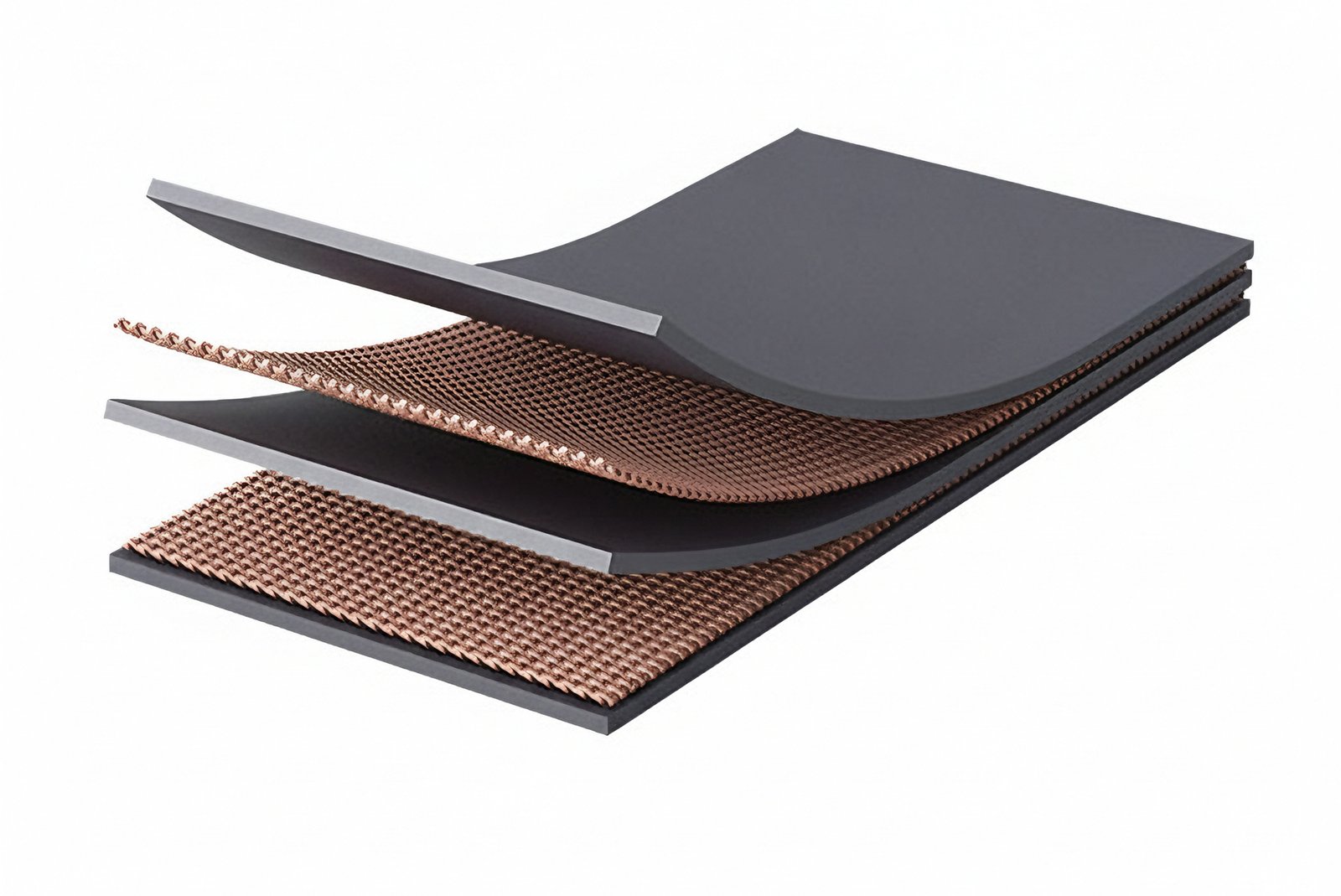
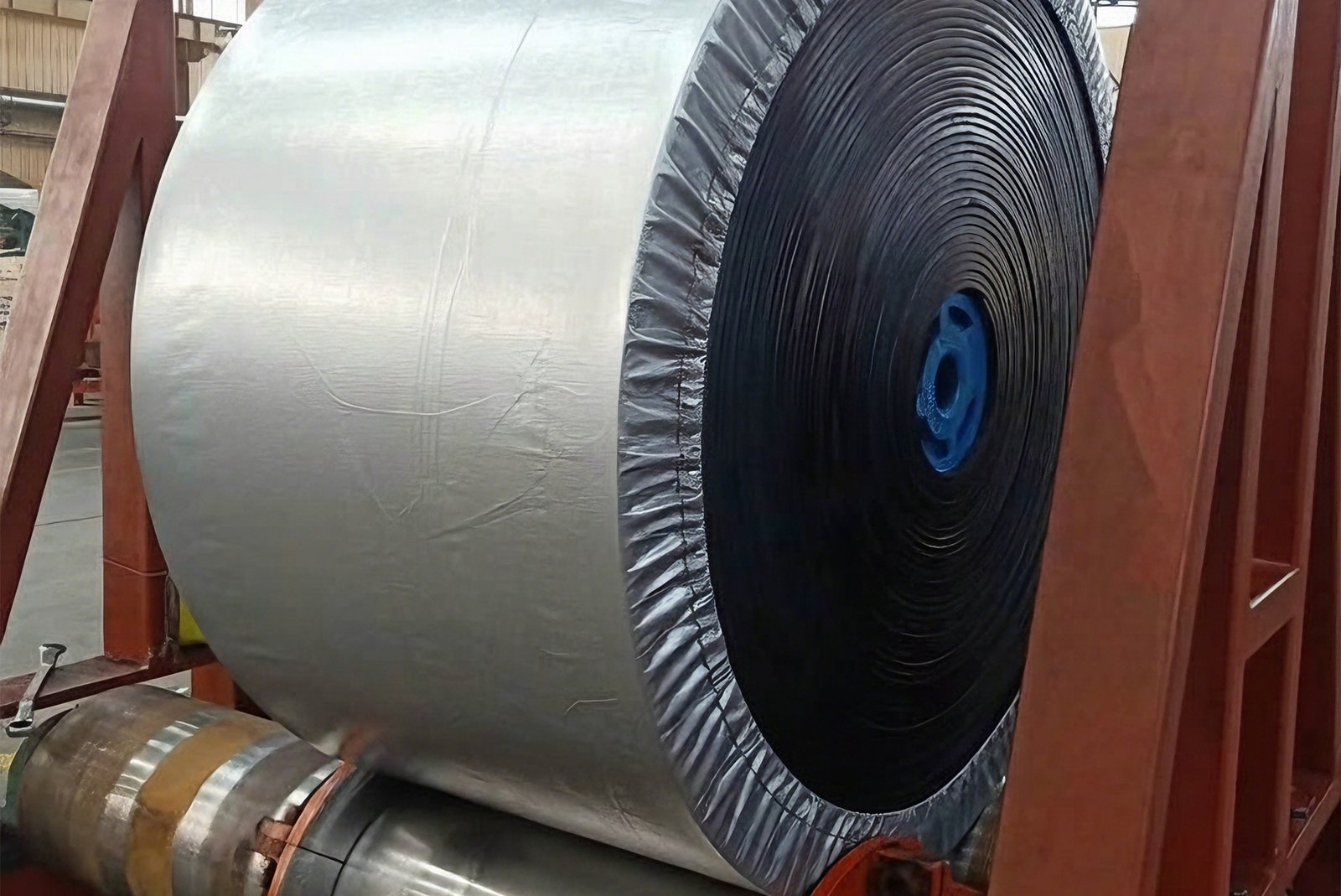
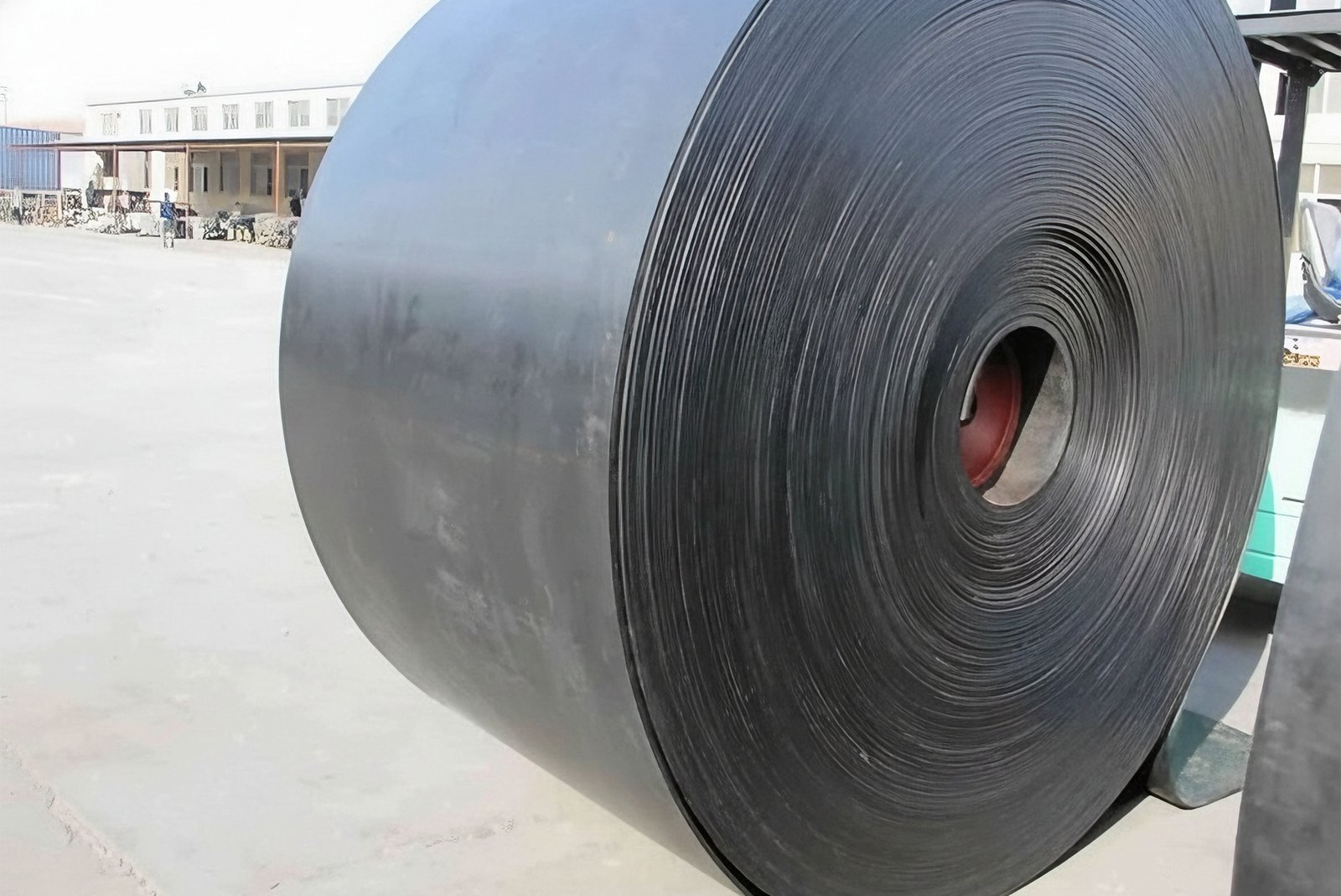
Hebei Boao’s Oil Resistant Conveyor Belts are specifically formulated with Nitrile Butadiene
Rubber (NBR) as the main polymer to prevent premature degradation caused by oily materials.
Standard rubber belts swell, lose strength, and delaminate when exposed to oil, but our OR
belts maintain a low rate of volume change and a high retention rate of tensile strength.
Utilizing NBR’s high acrylonitrile content, our belts offer superior performance for transporting
various oily materials and are suitable for working conditions with ofperating oil
Key Features
- High NBR Content Polymer
- Maintains High Tensile Strength
- Two Standard Operating Grades (LO and DO)
- Minimal Volume Change Rate
- Resistant to Petroleum Products
- Wide Usage in Oily Environments
Applications & Industries
Oilseed and Grain Processing
Handles agricultural products with inherent oils or that have been treated with petroleum sprays.
Automotive and Metal Stamping
Transports metal parts coated with cutting oils, lubricating oils, and hydraulic fluids.
Coal and Coking Plants
Suitable for oil-treated coal and materials contaminated with operating lubricants.
Chemical and Refinery Operations
Used in areas exposed to light petroleum hydrocarbons and various industrial oily compounds.
As a specialized custom solution provider, Hebei Boao views tthese figures as performance
benchmarks. We provide precision engineering, meaning the folldpwing parameters are fully
negotiable and will be fine-tuned to your exact project needs: Beelt Width, Cover Thickness
Carcass Fabric Type (NN or EP Canvas), and the required Cover Grade (LO for general
conditions or DO for high abrasion/oil). Our final product is certified to meet your unique
specifications, ensuring optimized resistance and maximum service lifein oily environments.
| Type | Tensile Strength (MPa) | Breaking Elongation (%) | Abrasion Loss (mm³) | Usage Note |
|---|---|---|---|---|
| LO | >= 14.0 | >= 350 | <= 200 | Used in general working conditions |
| DO | >= 16.0 | >= 350 | <= 160 | Used in high abrasion & oil working conditions |
| Serial Number | Oil Type (GB/T1690) | Soak Temperature (°C) | Soak Time (h) | Volume Change Rate LO (%) | Volume Change Rate DO (%) |
|---|---|---|---|---|---|
| 1 | #2 oil | 70 +/- 2 | 70 +/- 1 | <= +20 | <= -5 |
| 2 | #3 oil | 70 +/- 2 | 70 +/- 1 | <= +50 | <= +5 |
| 3 | #3 oil | 100 +/- 2 | 22 +/- 0.25 | <= +50 | <= +5 |
| Note | You only need to choose one of the above three methods for testing | - | - | - | - |
BAO Manufacturing and QC Authority
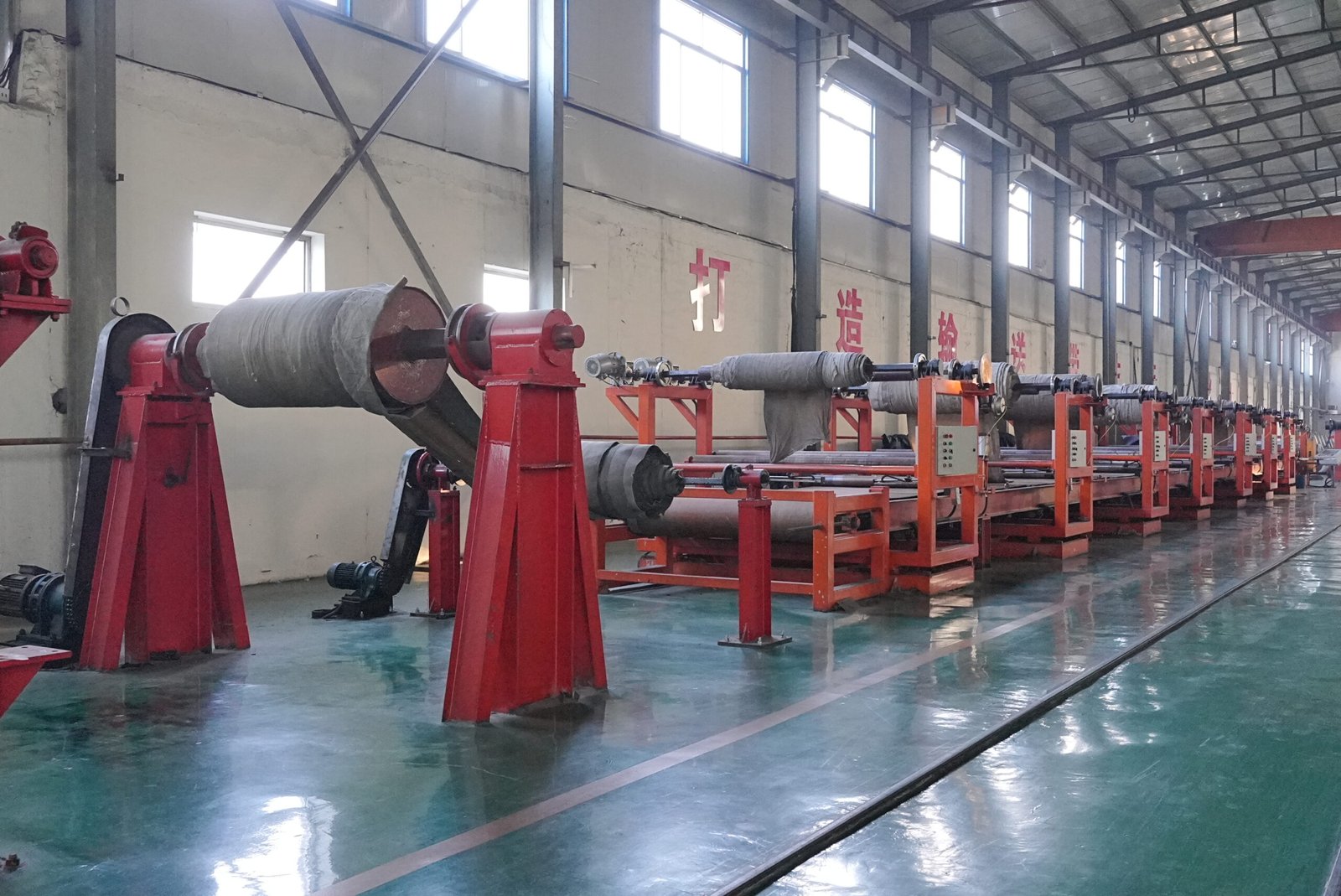
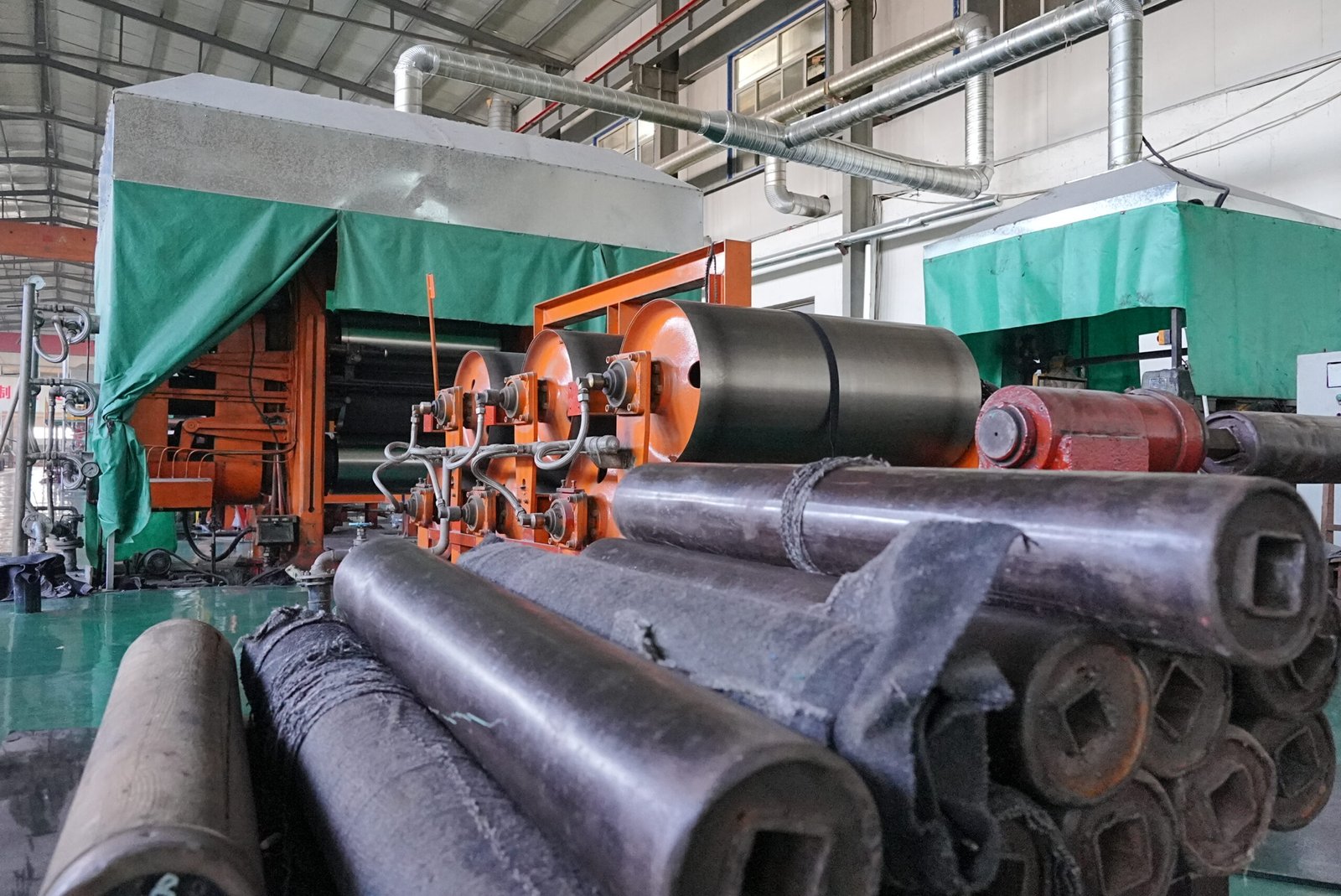
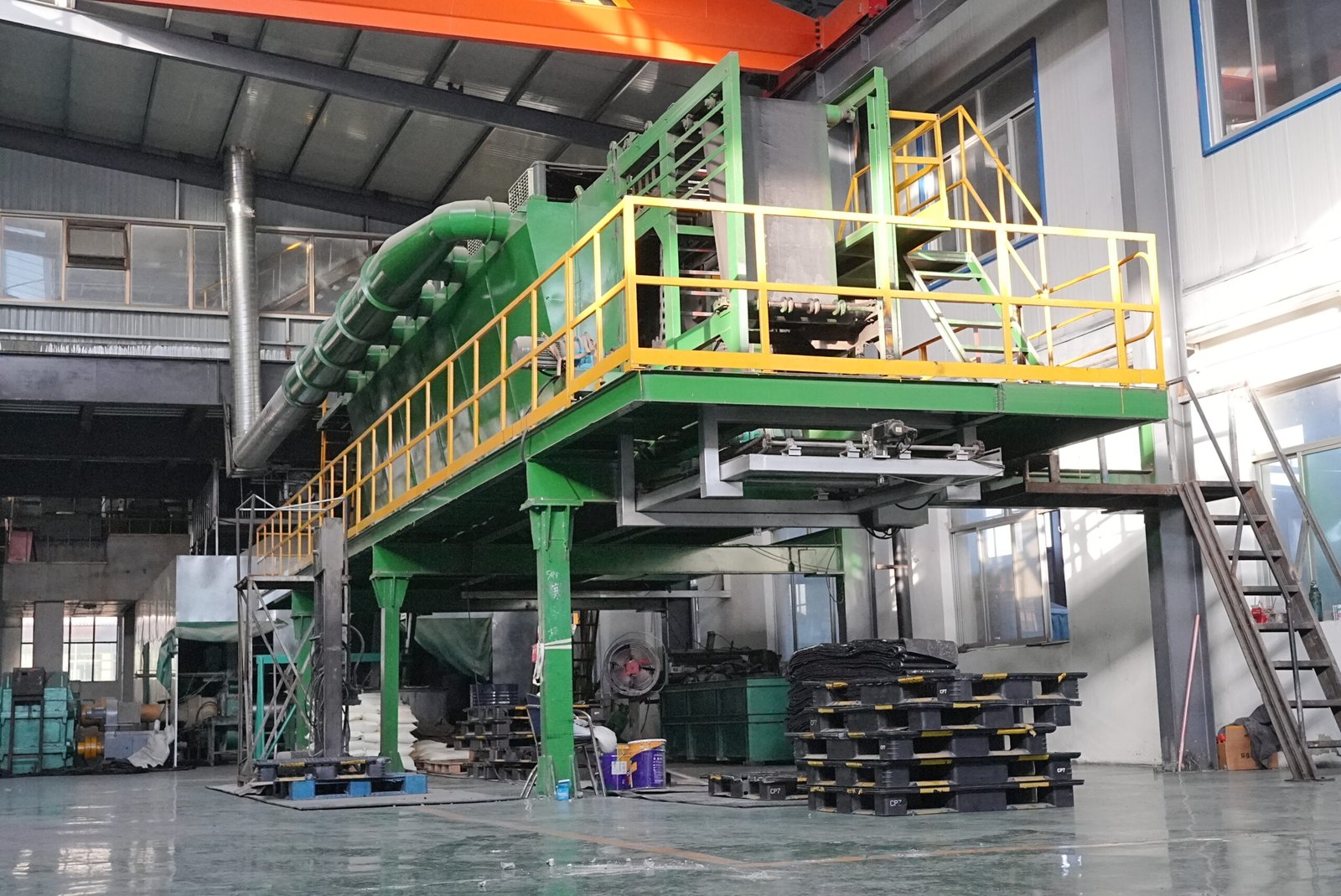
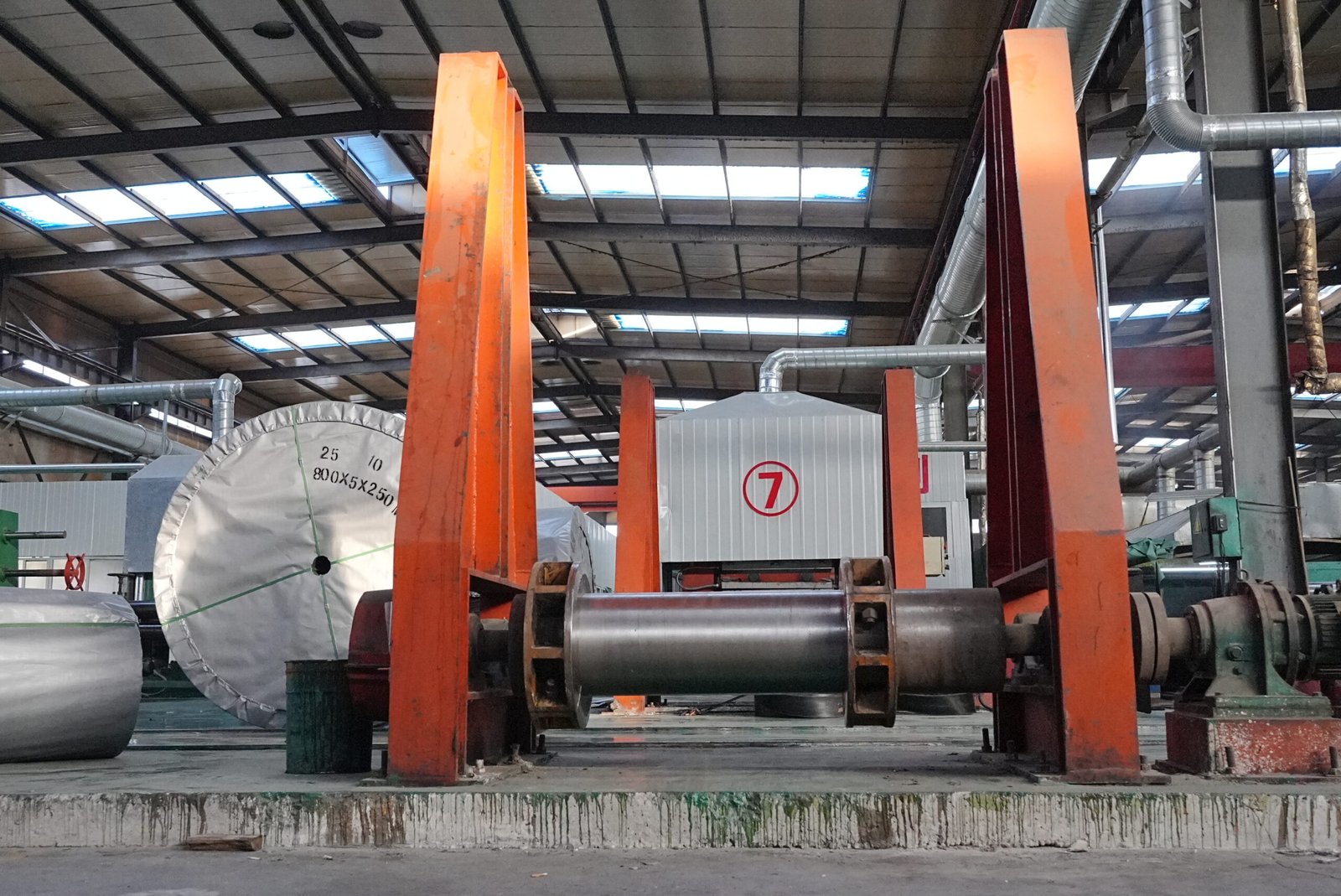
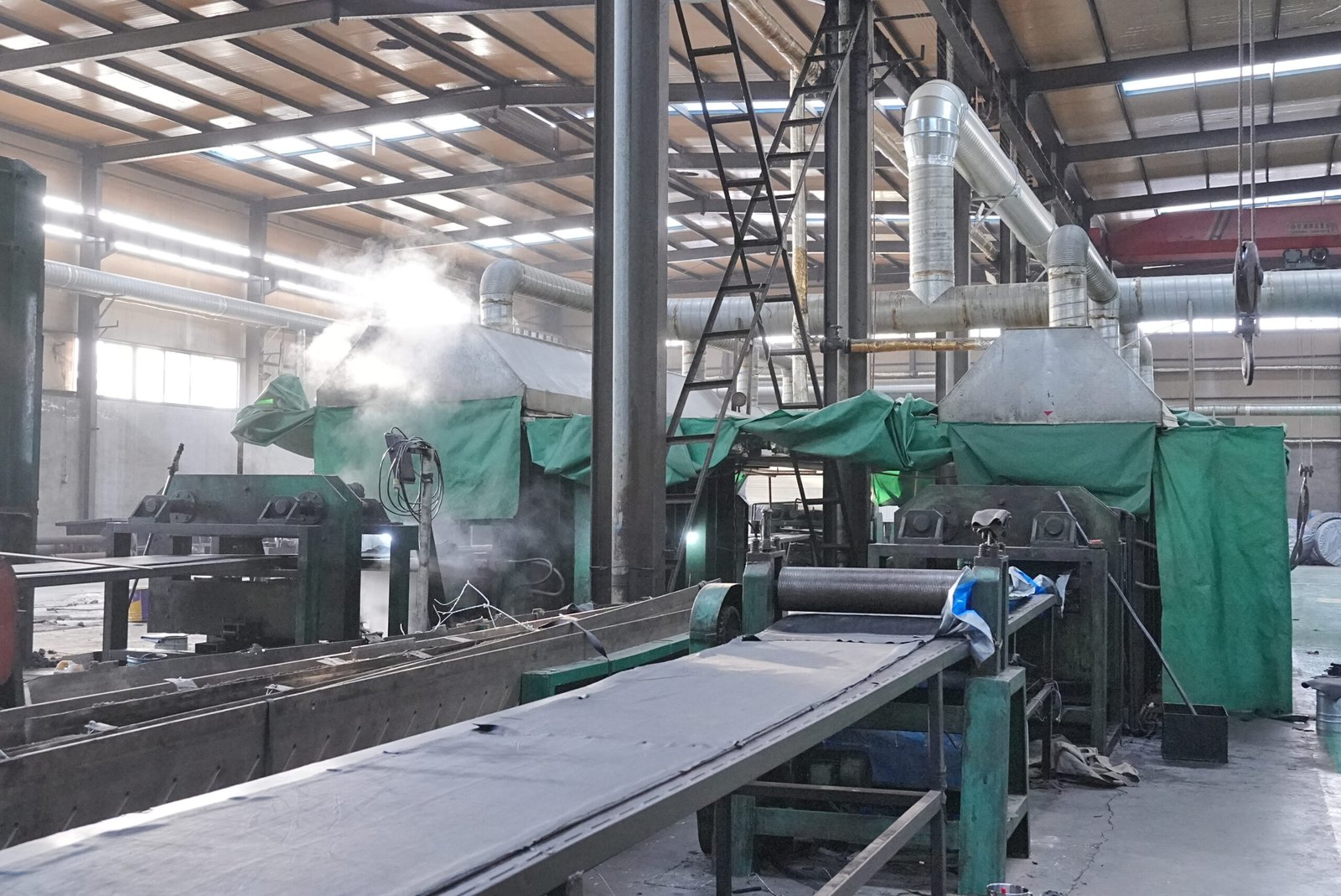
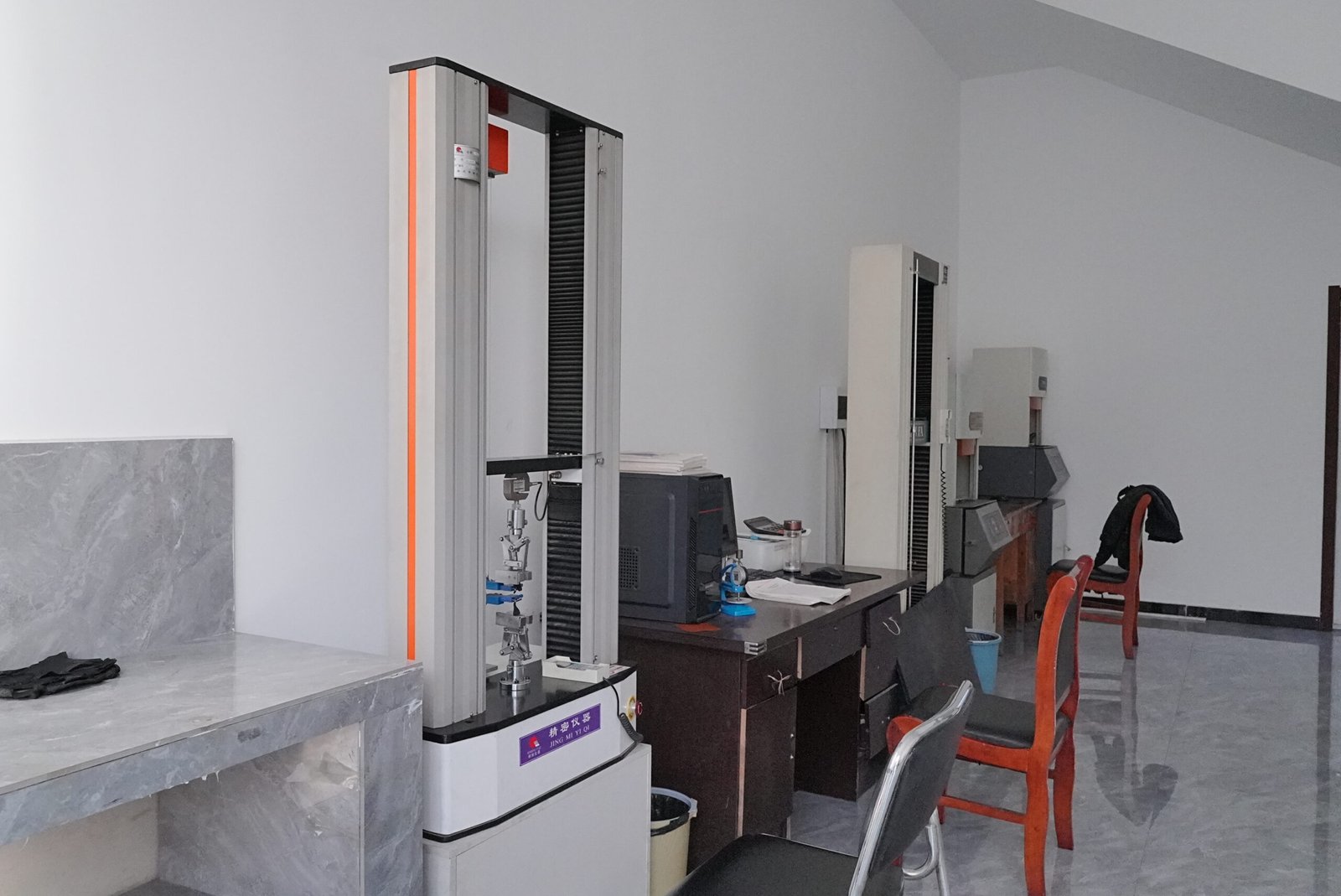
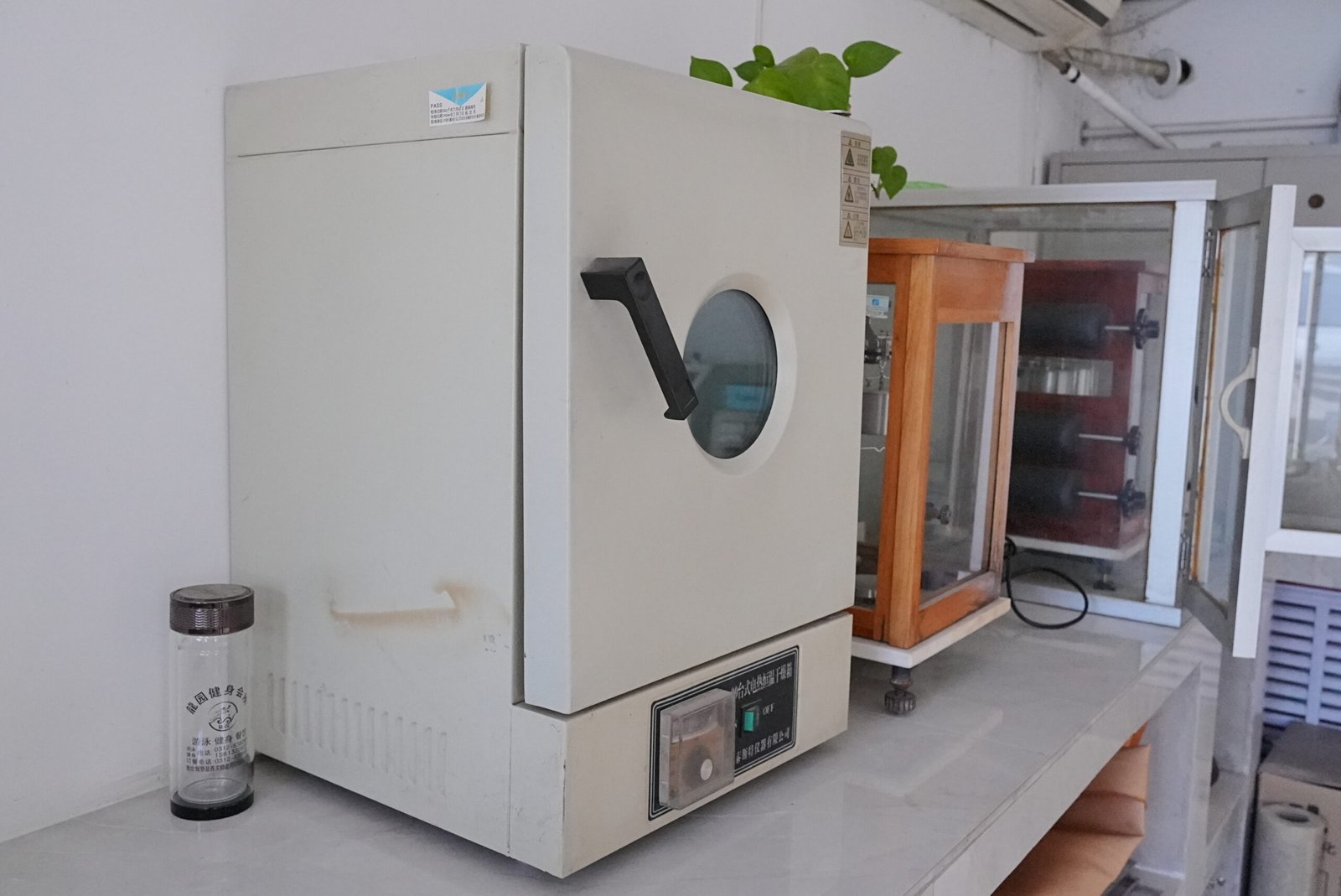
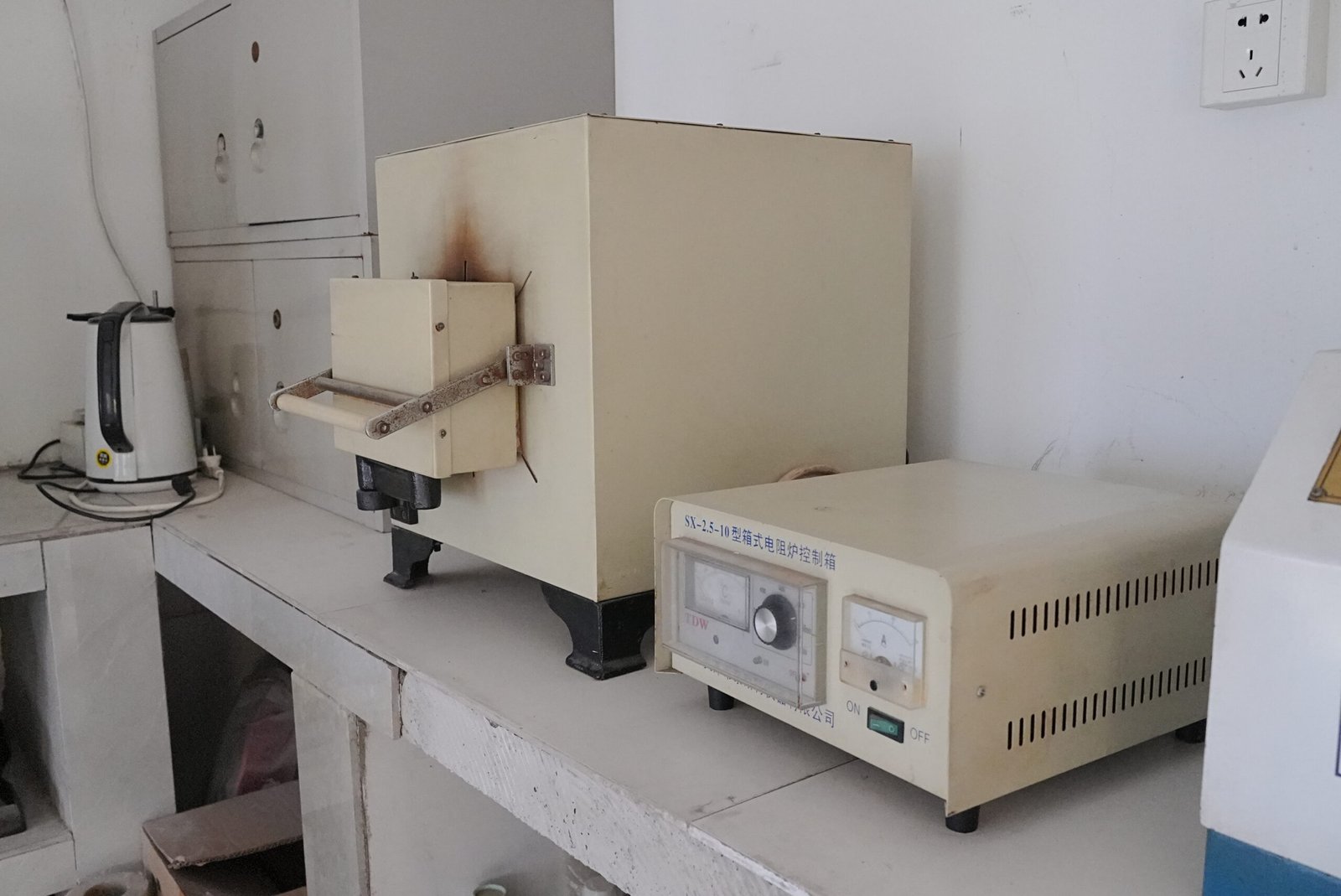
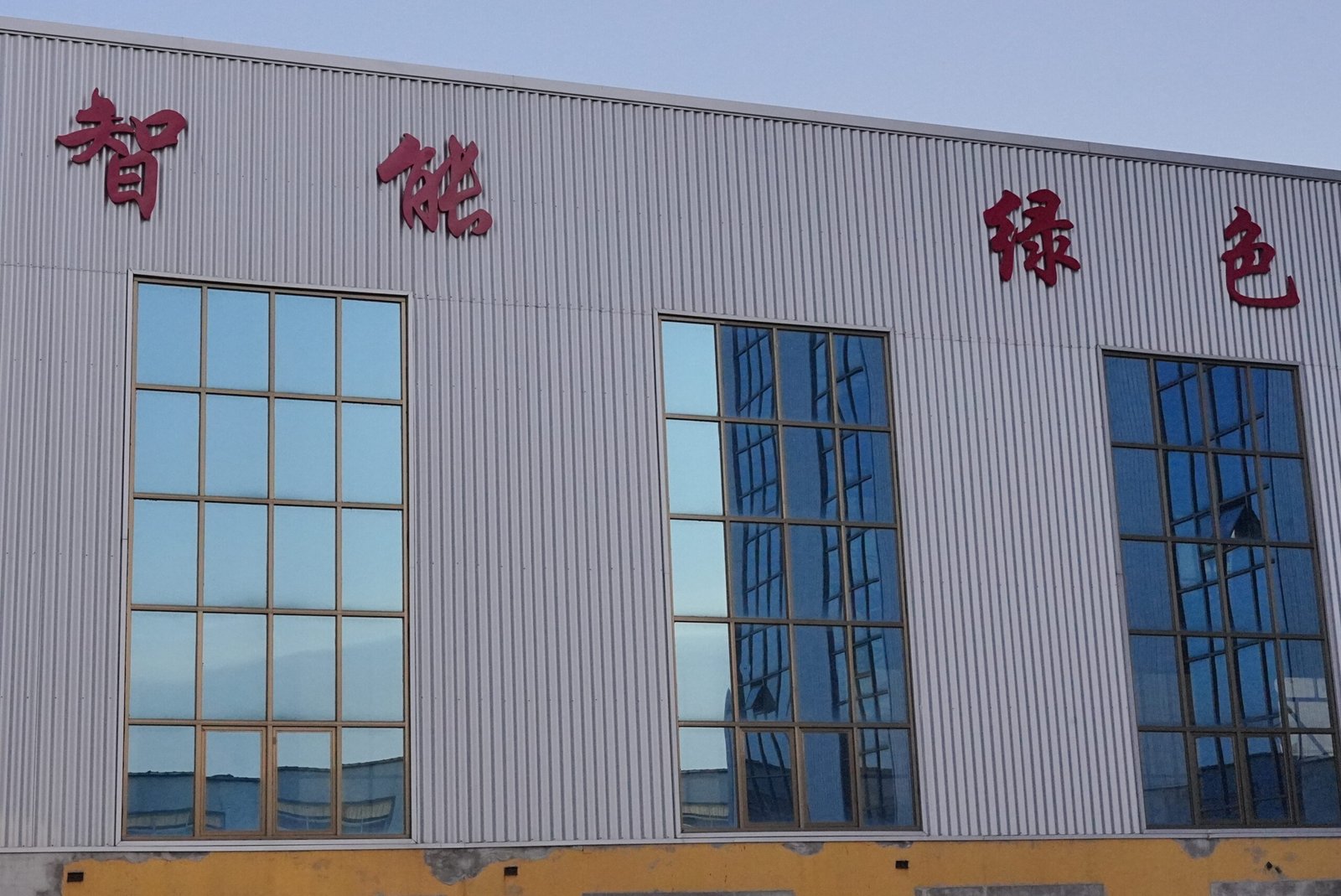
BAO is an established, large-scale manufacturer rooted in the Boye Industrial Hub, specializing in advanced heavy-duty conveyor systems since 1980. We integrate proprietary R&D and large-format production capacity up to 3300mm to deliver high-quality, technically demanding belting solutions globally.

Customized Process
01
Define Requirements
Client submits all necessary parameters: belt type, ply count, width, and specific environmental details for analysis.
02
Engineering Design
Our engineering team validates technical feasibility and designs the optimal carcass and rubber compound structure.
03
Material Validation
Raw materials are validated in our in-house lab to confirm integrity and performance before production commences.
04
Controlled Production
Manufacturing proceeds under strict QC protocols, utilizing high-capacity presses for a reliable, continuous supply.
05
Final Quality Check
Finished product undergoes comprehensive dimensional and physical property testing to verify compliance with order specifications.
06
Certified Delivery
Product is delivered with a complete quality inspection report, backed by long-term technical support services.
FAQs
1. What is the key component that provides oil resistance?
Nitrile Butadiene Rubber (NBR), specifically its high acrylonitrile content, is the main polymer vwe use to achieve superior oil resistance.
2. What is the difference between LO and DO grades?
LO (Low Oil resistance) is suitable for general conditions, while DO (Deep Oil resistance) is designed for high abrasion and high oil concentration working conditions.
3. How is the belt tested for oil resistance?
Resistance is confirmed by measuring the volume change rate of the cover rubber after soaking in standaard test oils under specified temperatures (e.g., 70°C) and time periods (e.g., 70h).
4. Why is a low volume change rate important?
If the volume exparhds too much, the belt loses mechanical strength and tracking stability, leading to failure. Our low change rate ensures the retention of tensile strength.
5. Can I request a carcass made of EP instead of NN canvas?
Yes, the belt is suitable for tension elements made of Cotton, NN (Nylon), or EP (Polyestercanvas, depending on your strength and elongation needs.
6. What information do you need to recommend the correct OR gradee?
We need the type of oil or solvent, the maximum concentration, and the operating temperature to select the appropriate LO or DO compound.
7. Does the oil resistance cover also provide good abrasion resistance?
Yes, especially the DO grade, which is specifically formulated to offer higher abrasion ressistance (<=160 mm³) alongside superior oil resistance.
OUR PRODUCTS
DOWNLOAD BROCHURE
Company Profile.PDF
Services Detail.PDF
LET'S START PROJECT
+85244631970
Talk directly to a Senior Engineer for technical consultation and bespoke pricing.

Get In Touch With Us
our experts are ready to assist with your conveyor belt needs.
Our address:
Daqi Industrial Zone, Boye County, Baoding City, Hebei Province, China
Email us anytime
fiona@baoconveyorbelt.com
+85244631970