
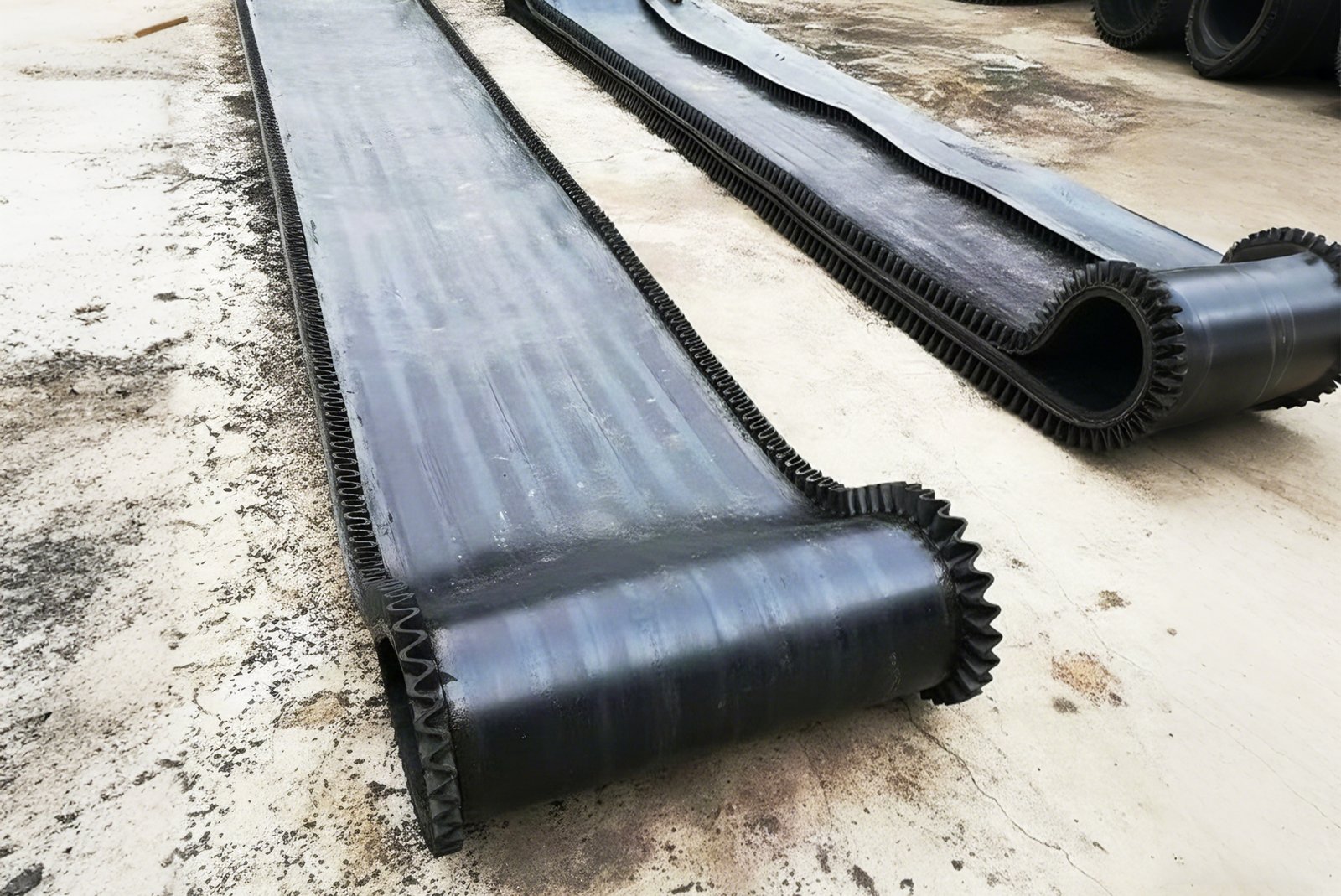
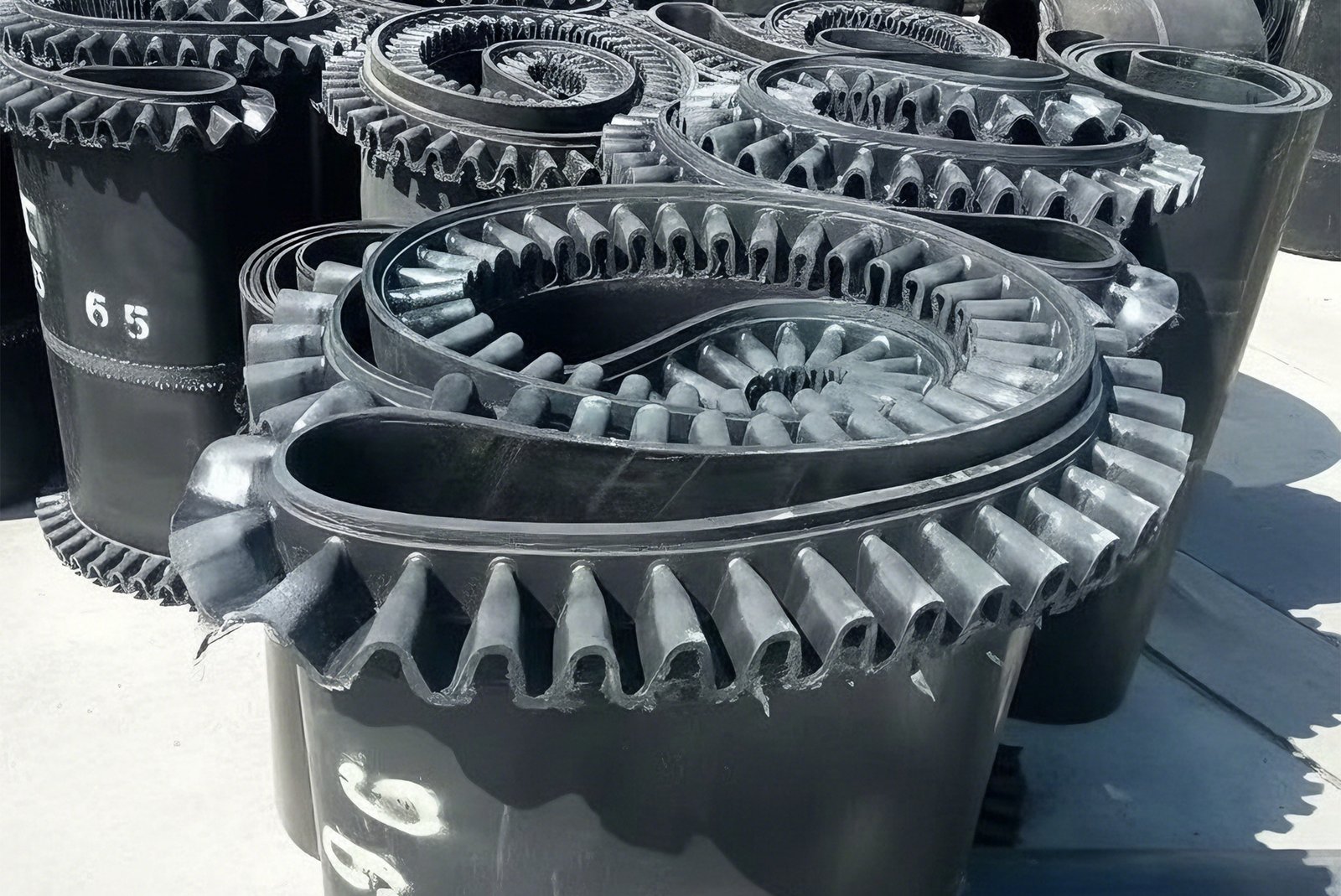
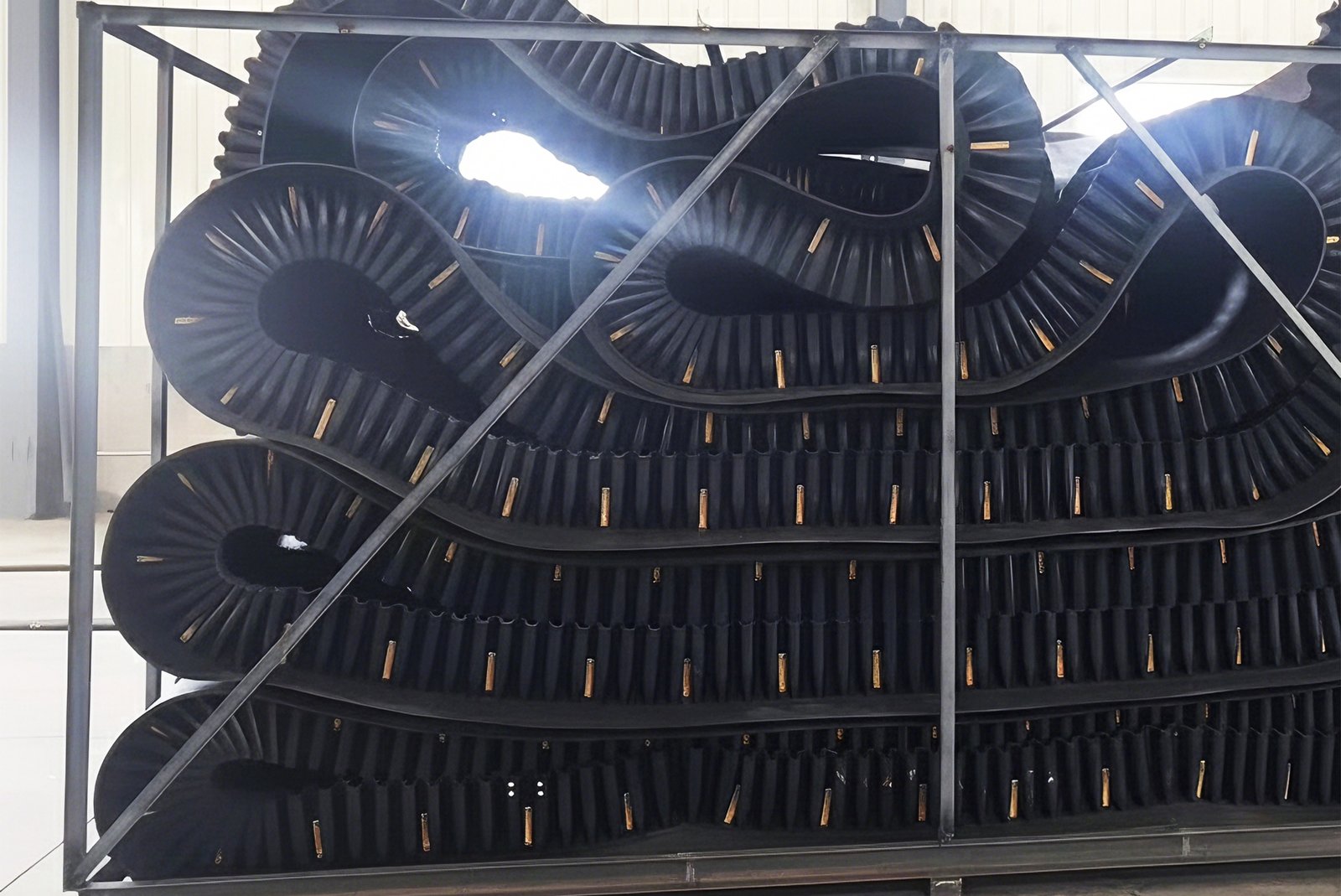
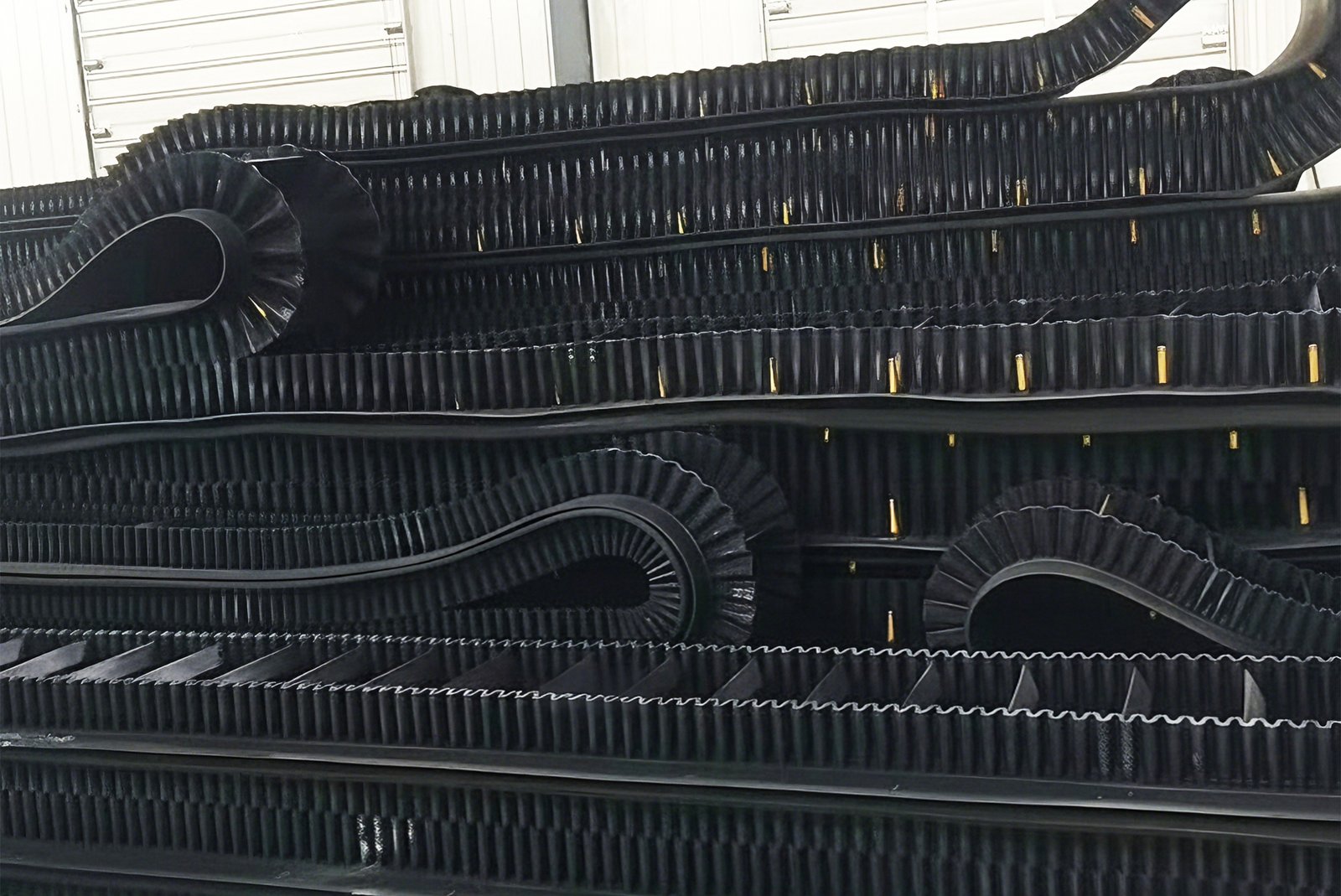
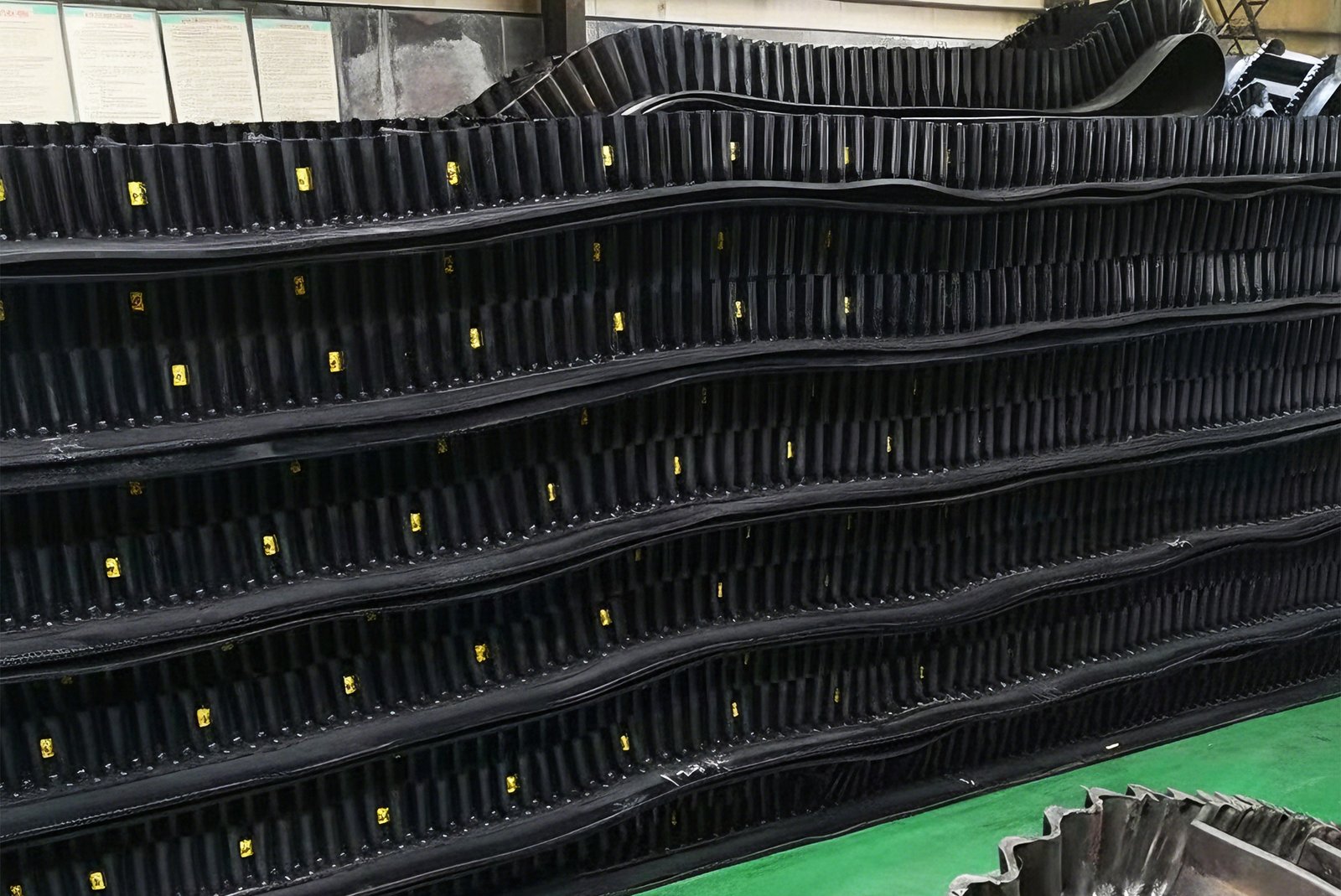
Hebei BAO’s High Incline Sidewall Conveyor Belts are engineered for steep angle material conveyance, typically transporting bulk materials at angles up to 30°. This specialized system utilizes a twice-vulcanized base belt with flexible sidewalls and cleats, allowing for significant height lifts in a reduced footprint. Compared to traditional belts, our sidewall belts offer high bonding strength, good flexibility, and less cracking or failing of the sidewall, providing a durable, cost-effective alternative for vertical or steep incline handling. The belts are also suitable for short-distance horizontal transportation.
Key Features
- Steep Angle Conveyance (Up to 30°)
- High Cleat and Sidewall Flexibility
- Significant Space Saving
- Twice-Vulcanized Bonding Strength
- Reduces Cracking and Failure
- Customizable Sidewall and Cleat Parameters
Applications & Industries
Aggregate and Construction
Used for transporting sand, gravel, and cement to high elevation processing stages.
Mining and Quarry Operations
Efficiently moves ore, stone, and waste rock up steep slopes and vertical lifts.
Port and Ship Loading
Ideal for stacking or reclaiming bulk materials where space is limited and high angles are required.
Recycling and Waste Treatment
Handles challenging materials like recycled glass or wet waste at sharp inclines.
As a specialized custom solution provider, Hebei Boao views these figures as performance benchmarks. Our large-angle sidewall belt system requires precision engineering. We provide customization for all critical matching parameters: Base Belt Width, Sidewall Height H, Cleat Height H1, Sidewall Bottom Width B1, Effective Belt Width B2, and Free Zone Width B3. Our technical team ensures the optimal selection of components (Base Belt, Sidewall, Cleats) for your specific conveying angle and capacity requirements.
| Base belt width B | Sidewall height H | Cleat height H1 | Sidewall bottom width B1 | Effective belt width B2 | Free zone width B3 | Cleat shape |
|---|---|---|---|---|---|---|
| 300 | 40 | 35 | 25 | 180 | 35 | TC |
| 300 | 60 | 55 | 25 | 120 | 40 | TC |
| 400 | 60 | 55 | 50 | 180 | 60 | TC |
| 400 | 80 | 75 | 50 | 120 | 60 | TC |
| 500 | 80 | 75 | 50 | 250 | 75 | TC |
| 500 | 100 | 90 | 50 | 250 | 75 | TC |
| 650 | 100 | 90 | 50 | 350 | 100 | TC |
| 650 | 120 | 110 | 50 | 300 | 100 | TC |
| 800 | 120 | 110 | 50 | 460 | 120 | TC |
| 800 | 160 | 140 | 50 | 410 | 120 | TC |
| 1000 | 160 | 140 | 75 | 550 | 150 | TC |
| 1000 | 200 | 180 | 75 | 550 | 150 | TC |
| 1200 | 200 | 180 | 75 | 690 | 180 | TC |
| 1200 | 240 | 220 | 75 | 690 | 180 | TC |
| 1400 | 200 | 180 | 75 | 830 | 210 | TC |
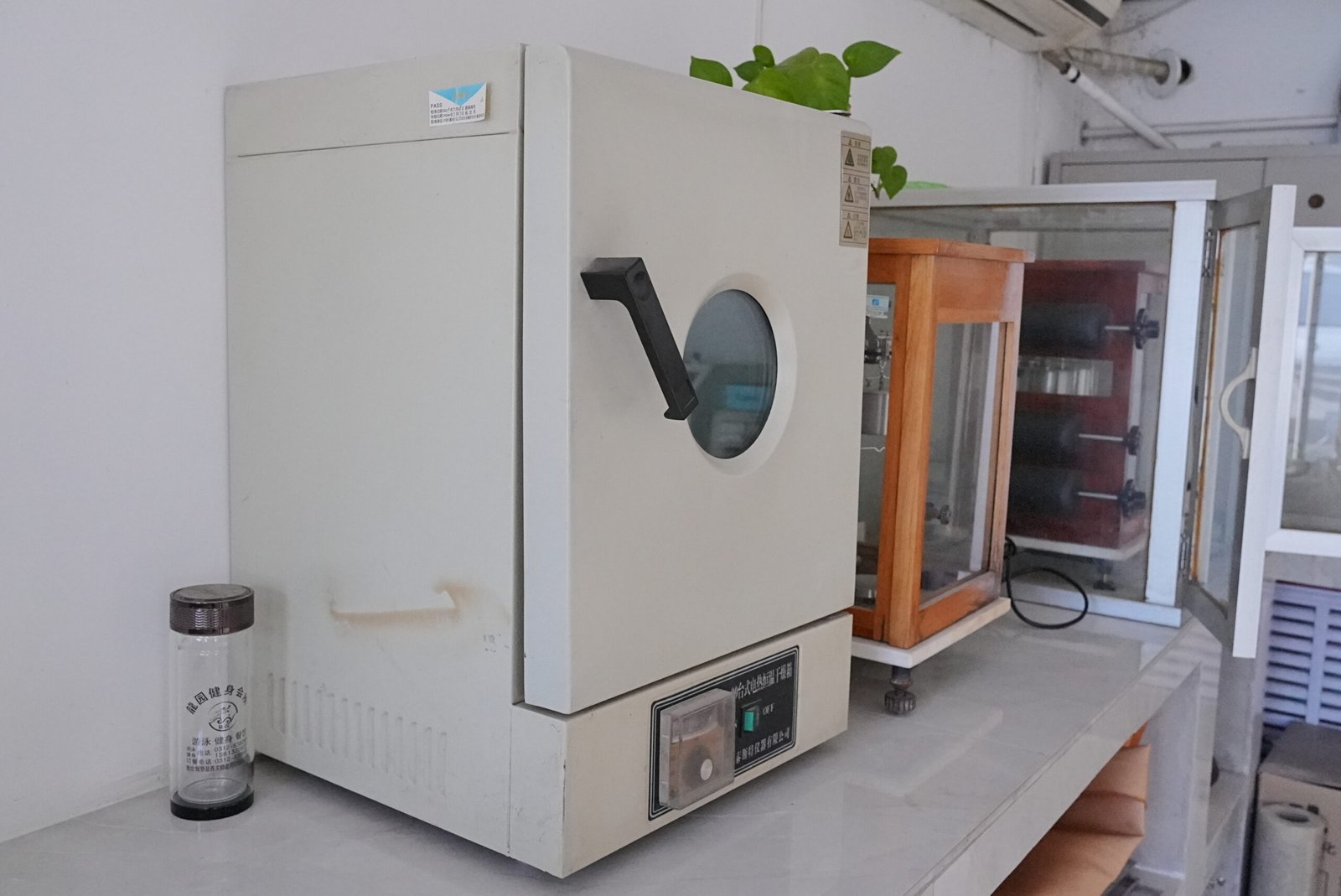
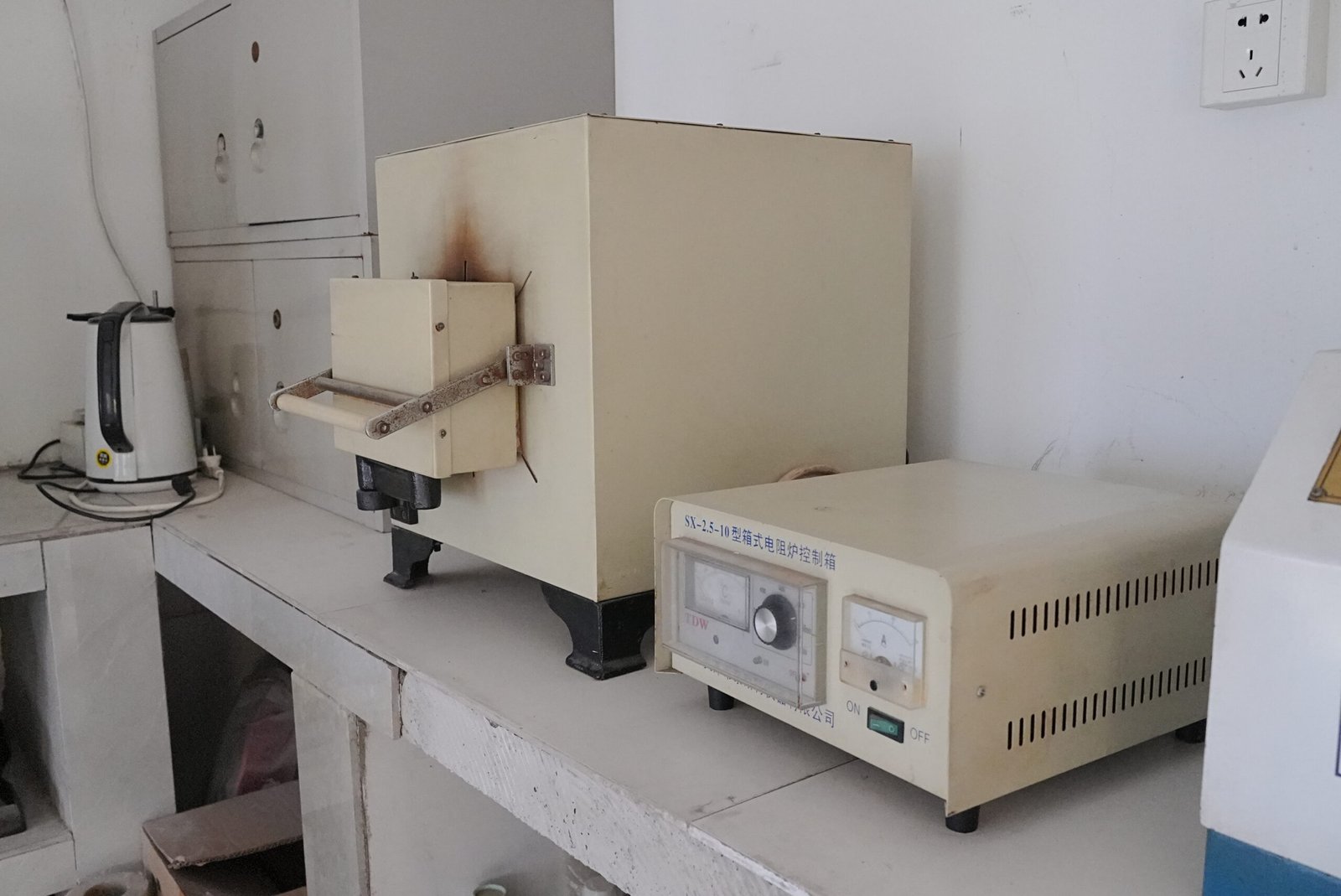
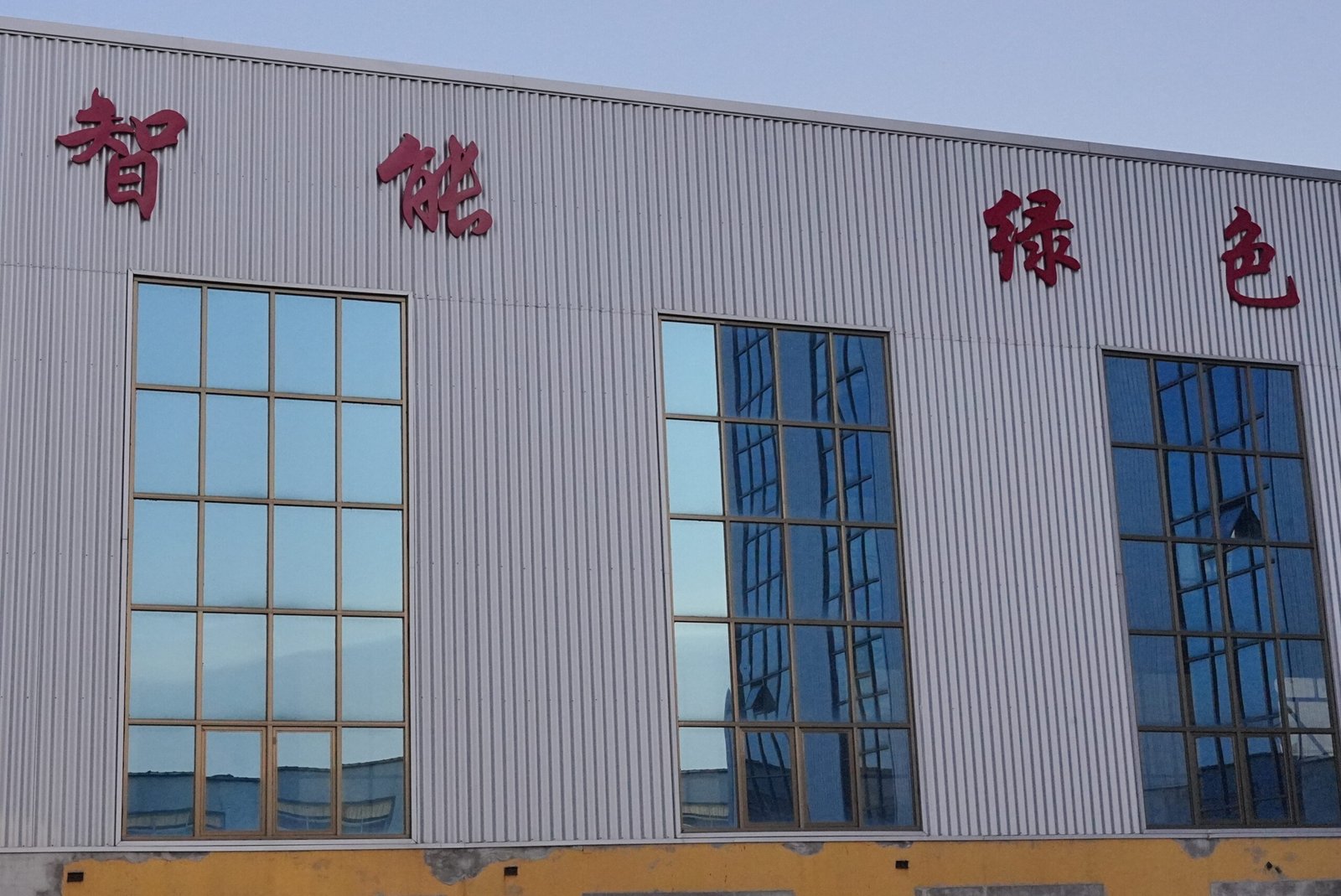
BAO Manufacturing and QC Authority
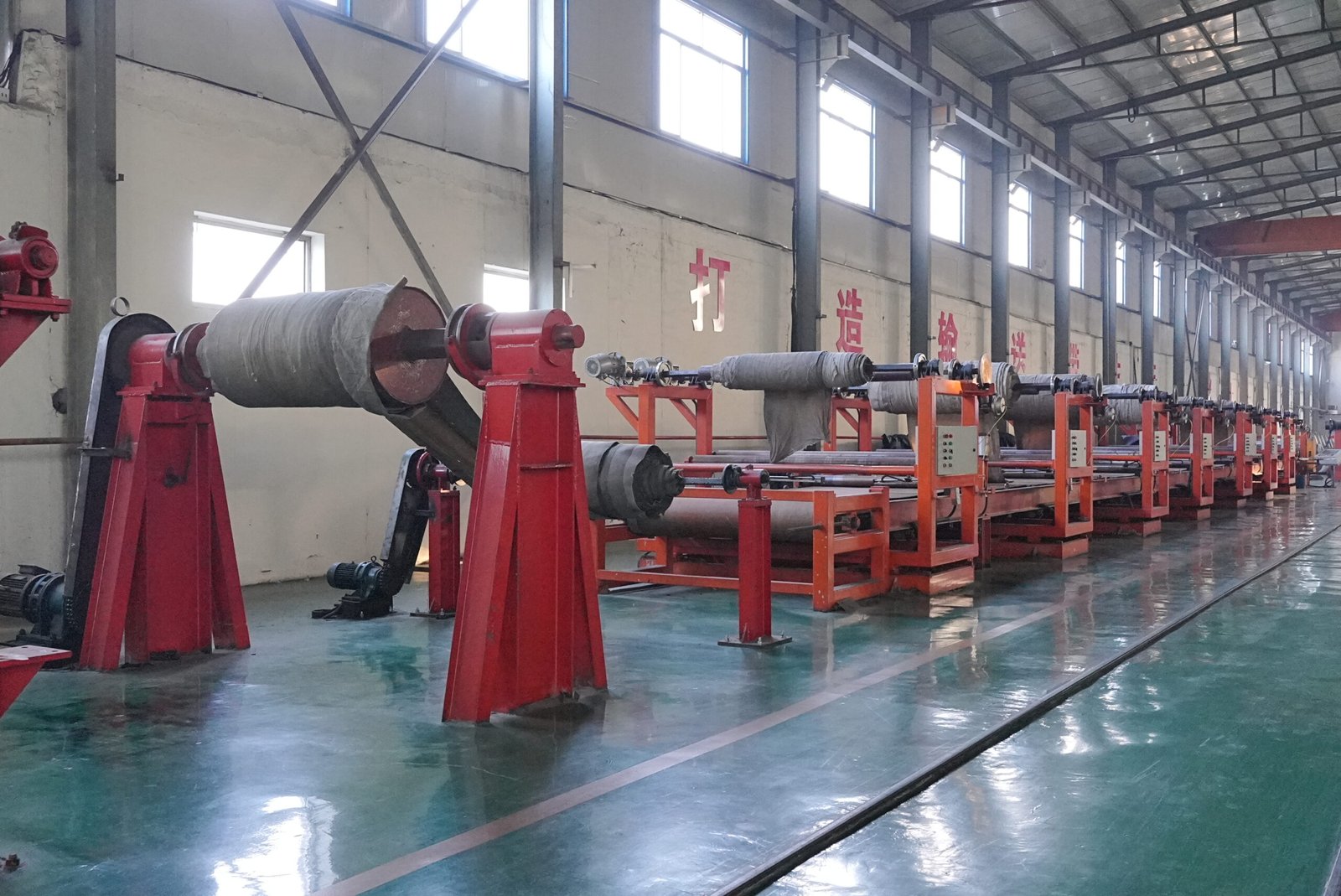
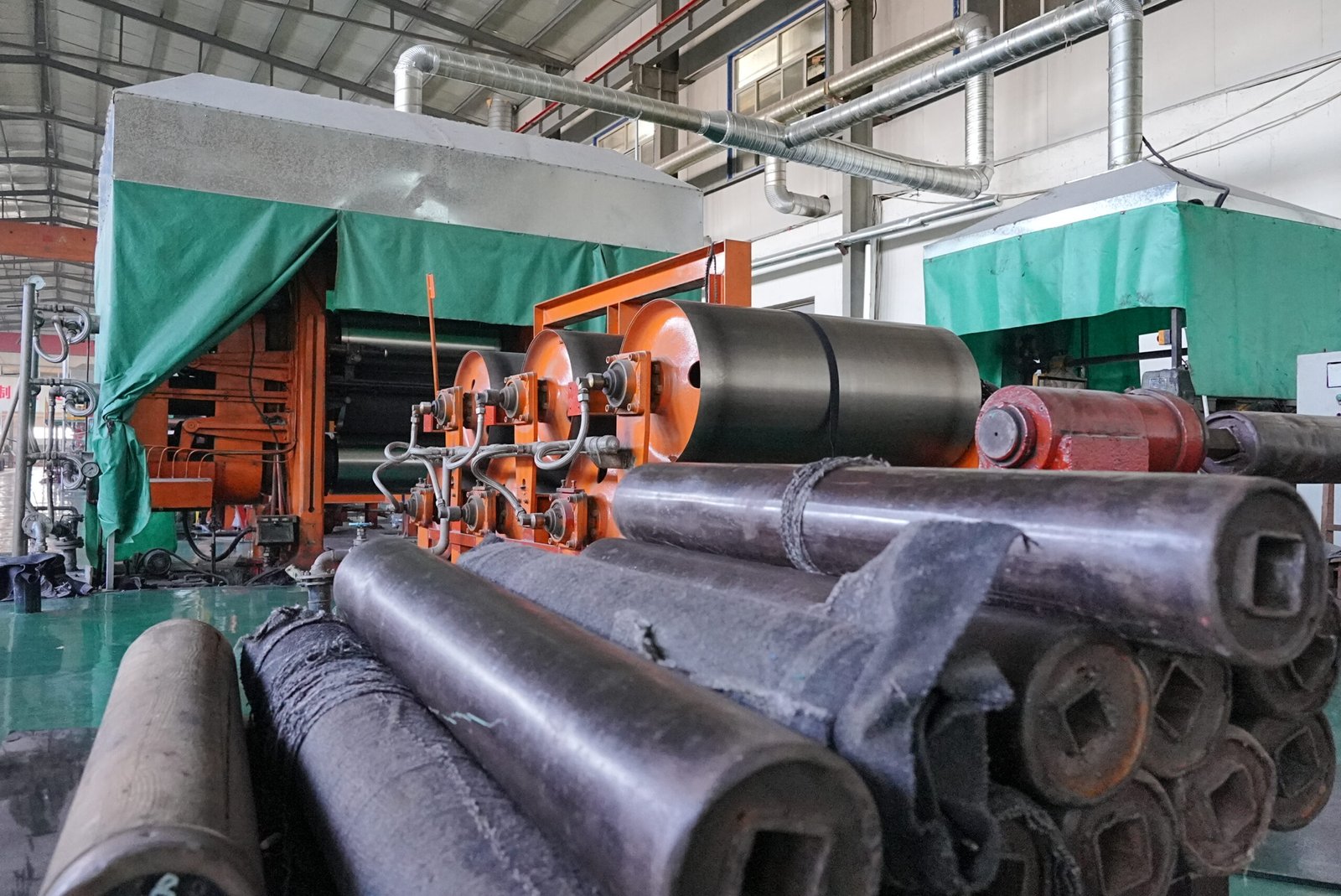
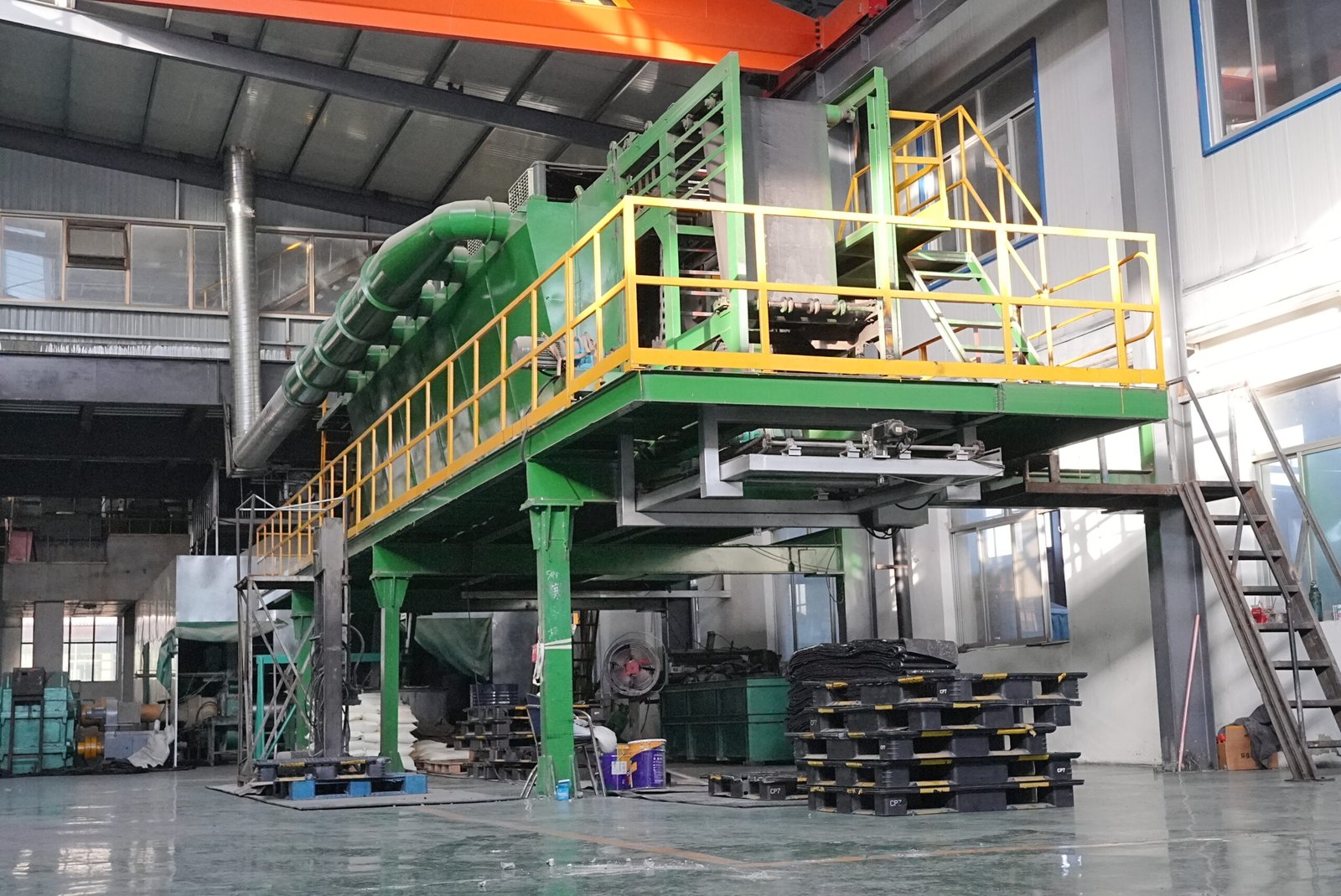
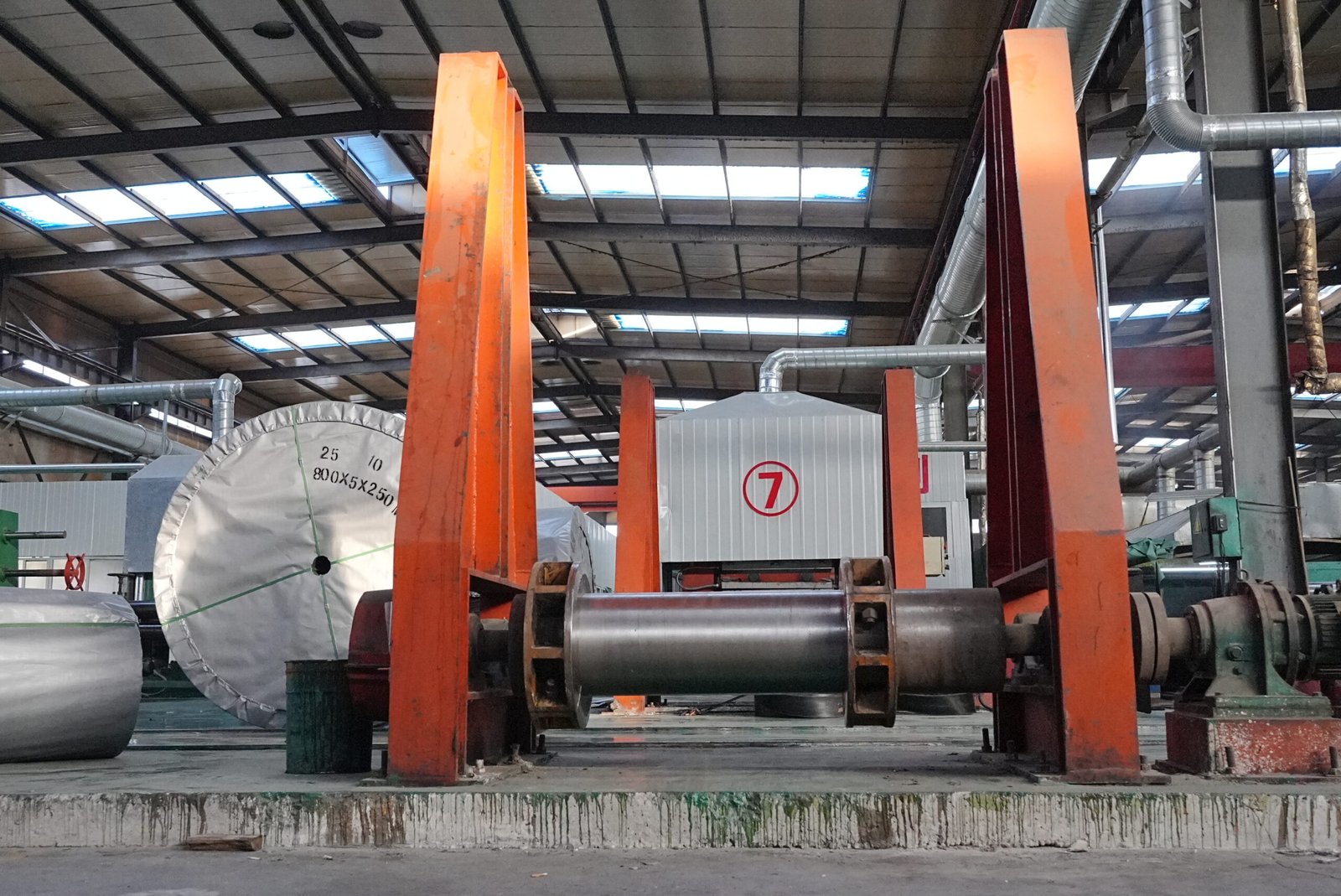
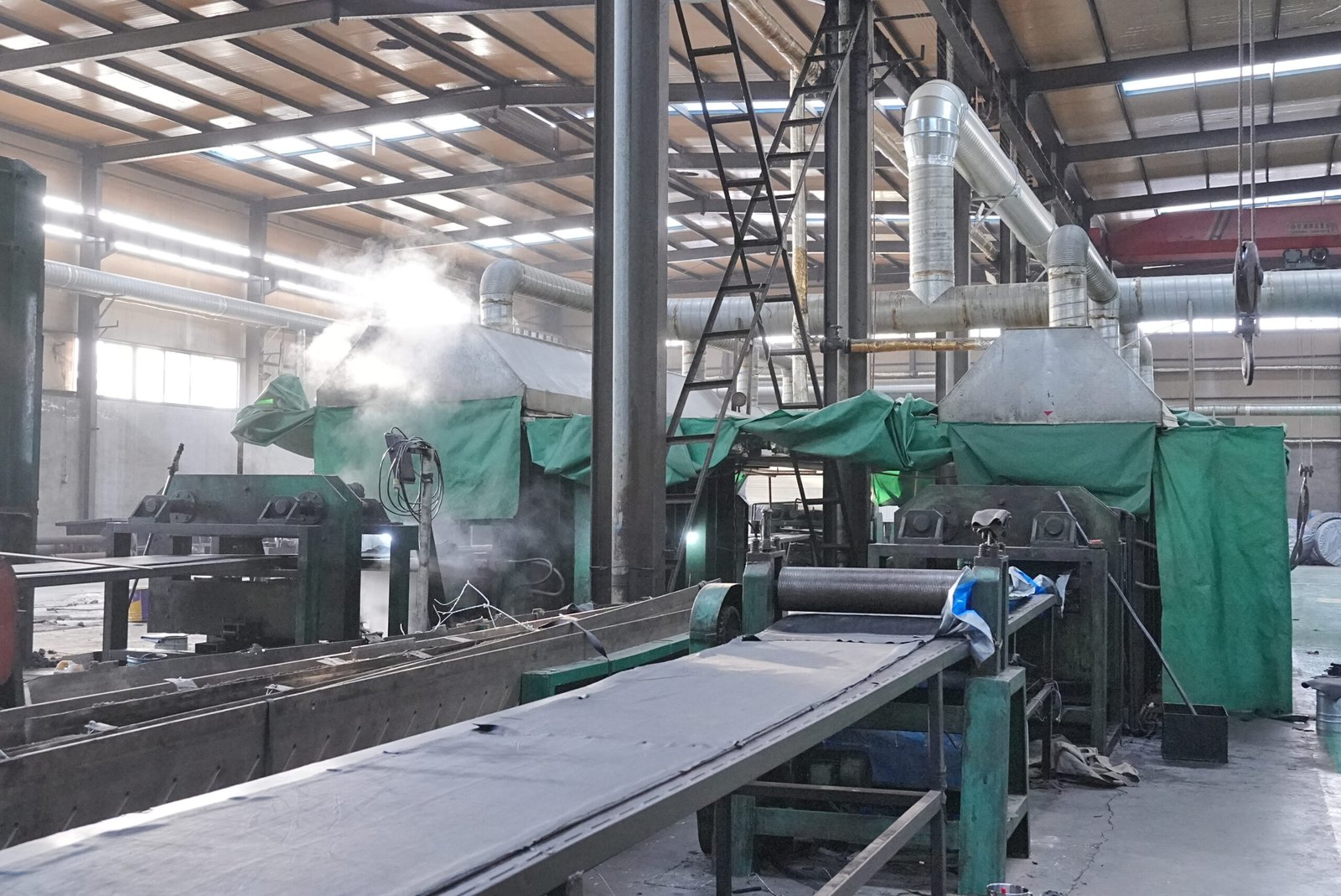
BAO is an established, large-scale manufacturer rooted in the Boye Industrial Hub, specializing in advanced heavy-duty conveyor systems since 1980. We integrate proprietary R&D and large-format production capacity up to 3300mm to deliver high-quality, technically demanding belting solutions globally.
Customized Process
01
Define Requirements
Client submits all necessary parameters: belt type, ply count, width, and specific environmental details for analysis.
02
Engineering Design
Our engineering team validates technical feasibility and designs the optimal carcass and rubber compound structure.
03
Material Validation
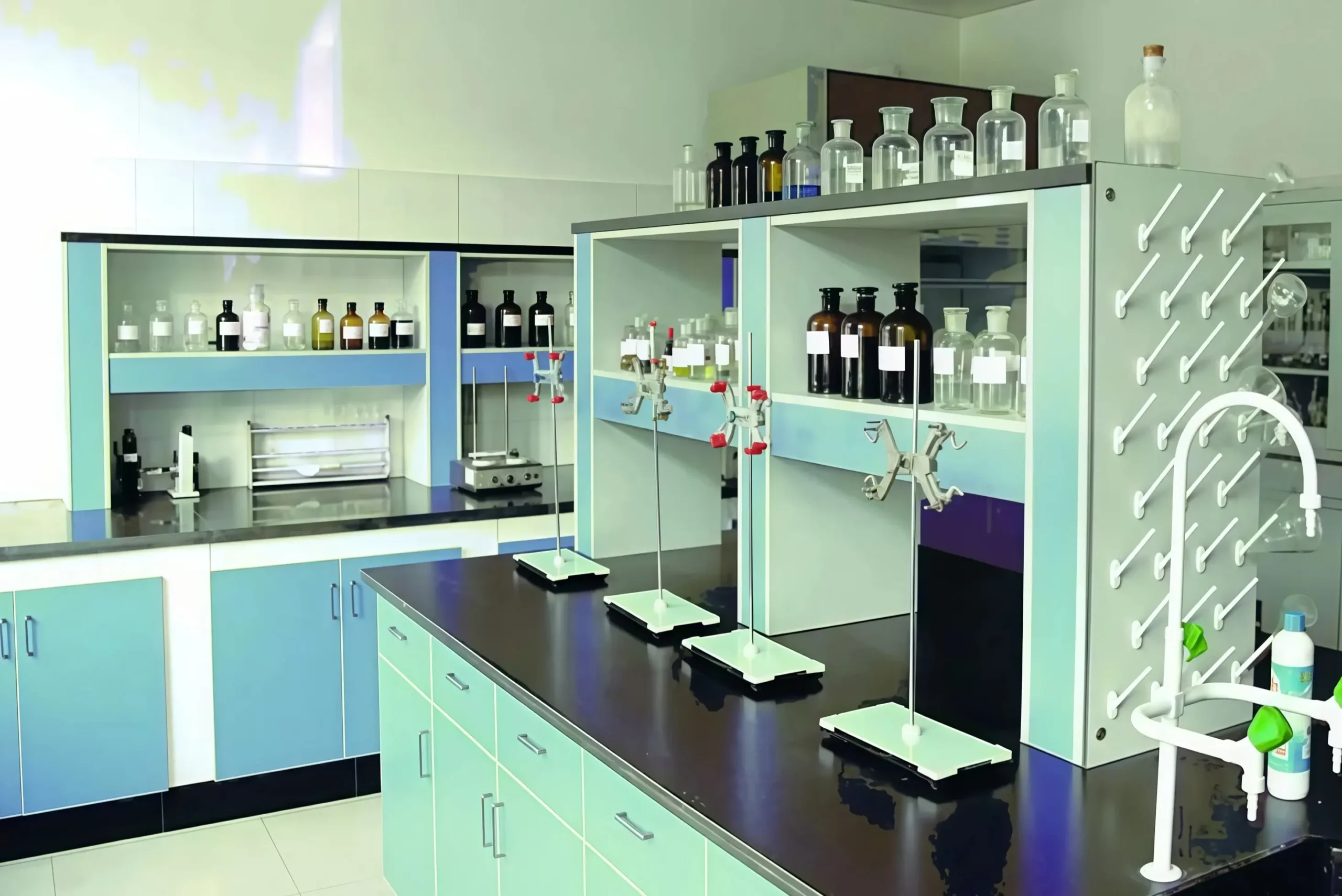
Raw materials are validated in our in-house lab to confirm integrity and performance before production commences.
04
Controlled Production
Manufacturing proceeds under strict QC protocols, utilizing high-capacity presses for a reliable, continuous supply.
05
Final Quality Check
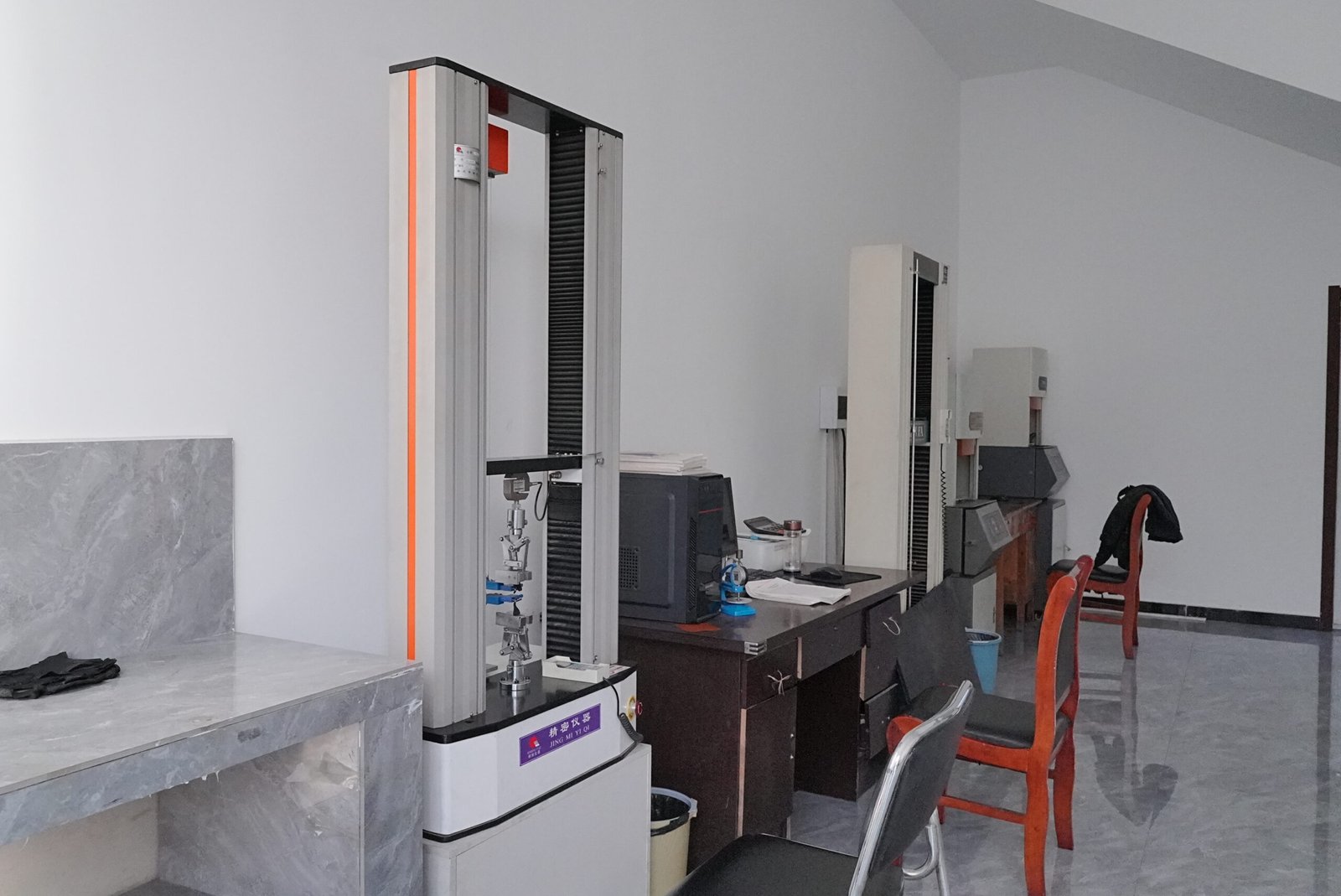
Finished product undergoes comprehensive dimensional and physical property testing to verify compliance with order specifications.
06
Certified Delivery
Product is delivered with a complete quality inspection report, backed by long-term technical support services.
FAQs
1. What is the maximum inclination angle this belt can achieve?
Our sidewall belts are typically used for material transport at steep angles, up to 30°.
2. What does "twice-vulcanized" mean for the base belt?
It means the base belt is processed twice to integrate the sidewalls and cleats, resulting in higher bonding strength and preventing the sidewall from cracking or failing prematurely.
3. Does this system require cleats for horizontal transport?
No, when used for horizontal or short-distance transportation, the cleats are not needed.
4. How do I determine the correct sidewall height?
The sidewall Iheight (H) and cleat height (H1) are determined by the size and density of the bulk material being conveyed
and the required capacity.
5. Can you supply the base belt without the sidewalls or cleats?
Yes, we offer flexibility, but for high-angle applications, the twice-vulcanized base belt is essential for optimal performance and adhesion.
6. What information do you need for a customized quote?
We require the maximum conveying angle, the material's bulk density, the required tonnage capacity per hour, and the desired Base Belt Width.
OUR PRODUCTS
DOWNLOAD BROCHURE
Company Profile.PDF
Services Detail.PDF
LET'S START PROJECT
+85244631970
Talk directly to a Senior Engineer for technical consultation and bespoke pricing.
Get In Touch With Us
our experts are ready to assist with your conveyor belt needs.
Our address:
Daqi Industrial Zone, Boye County, Baoding City, Hebei Province, China
Email us anytime
fiona@baoconveyorbelt.com
+85244631970