
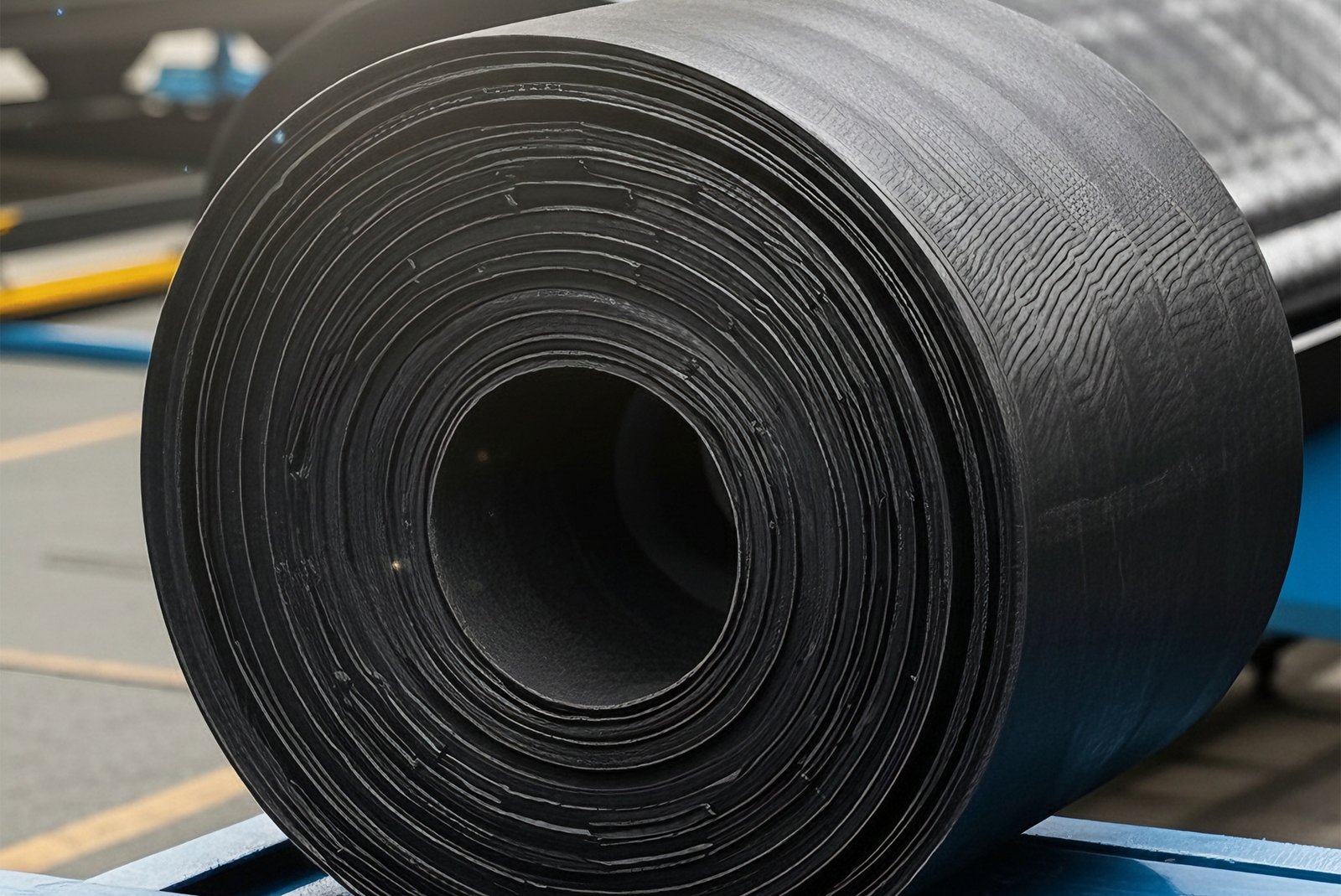
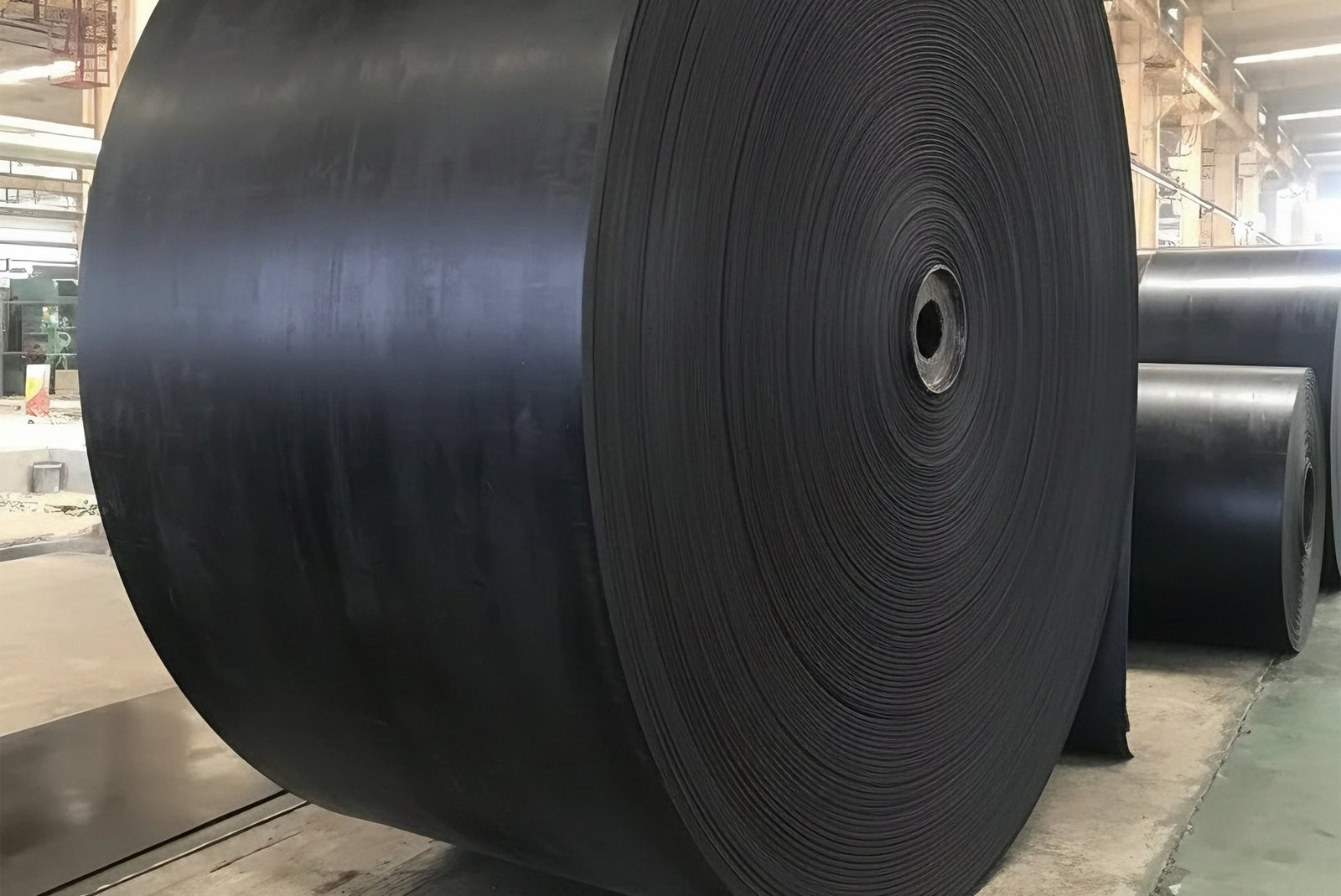
Hebei BAO’s Acid/Alkali Resistant Conveyor Belts are engineered with specialized synthetic
rubber compounds to withstand severe chemical environments. Ourbelts provide superior
protection against corrosive agents, including concentrated hydrochloric acid (HCI), sulfuric
acid (H2SO4), and strong sodium hydroxide (NaOH). This specialized reesistance prevents
common failures like cover swelling, volume expansion, and the degradation of tensile strength,
ensuring stable and long-term operation in chemical processing plarits and fertilizer industries
Key Features
- Superior Chemical Resistance
- Minimal Volume Expansion
- High Durability in Wet Areas
- Resists Cover Swelling
- Stable Tensile Strength
- Maintains Performance After Soaking
Applications & Industries
tilizer Production Plants
Reliable handling of corrosive phosphates, ammonium, and various acid salts.
Chemical Processing Factories
Transporting raw materials and finished products exposed to strong acid or alkali solutions.
Metallurgy and Mineral Flotation
Used in processing areas where chemical agents are utilized for ore extraction.
Pulp and Paper Industries
Withstands exposure to bleaches, caustic soda, and other corrosive liquids during operation.
As a specialized custom solution provider, Hebei BAO views these figures as performance
benchmarks. We provide precision engineering, meaning the folldpwing parameters are fully
negotiable and will be fine-tuned to your exact project needs: BeIt Width, Cover Thickness,
Carcass Fabric Type (EP or NN), and the required Cover Rubber Claass (A1, A2, or A3).
Our final product is certified to meet your unique specifications, ensuring optimized
performance and longevity even in harsh chemical attack zzones.
| Chemical Class | Soak Liquid | Concentration | Soak Condition (Temp x Time) | Volume Expansion Rate (Max) | Tensile Strength Change Rate (Max) |
|---|---|---|---|---|---|
| A1 | Hydrochloric acid (HCl) | 18% | 50C x 96h | <= +/- 10% | >= -10% |
| A2 | Sulfuric acid (H2SO4) | 50% | 50C x 96h | <= +/- 10% | >= -10% |
| A3 | Sodium hydroxide (NaOH) | 48% | 50C x 96h | <= +/- 10% | >= -10% |
| Item | Tensile Strength (MPa) | Breaking Elongation (%) | Abrasion Loss (mm³) | Hardness (Shore A) |
|---|---|---|---|---|
| Before aging | 14.0 | 400 | 250 | 60 |
| After aging | 12.0 | 340 | N/A | 65 |
| Note | Tensile strength and Elongation can be allowed 15% lower when thickness is 0.8mm-1.6mm | - | - | - |
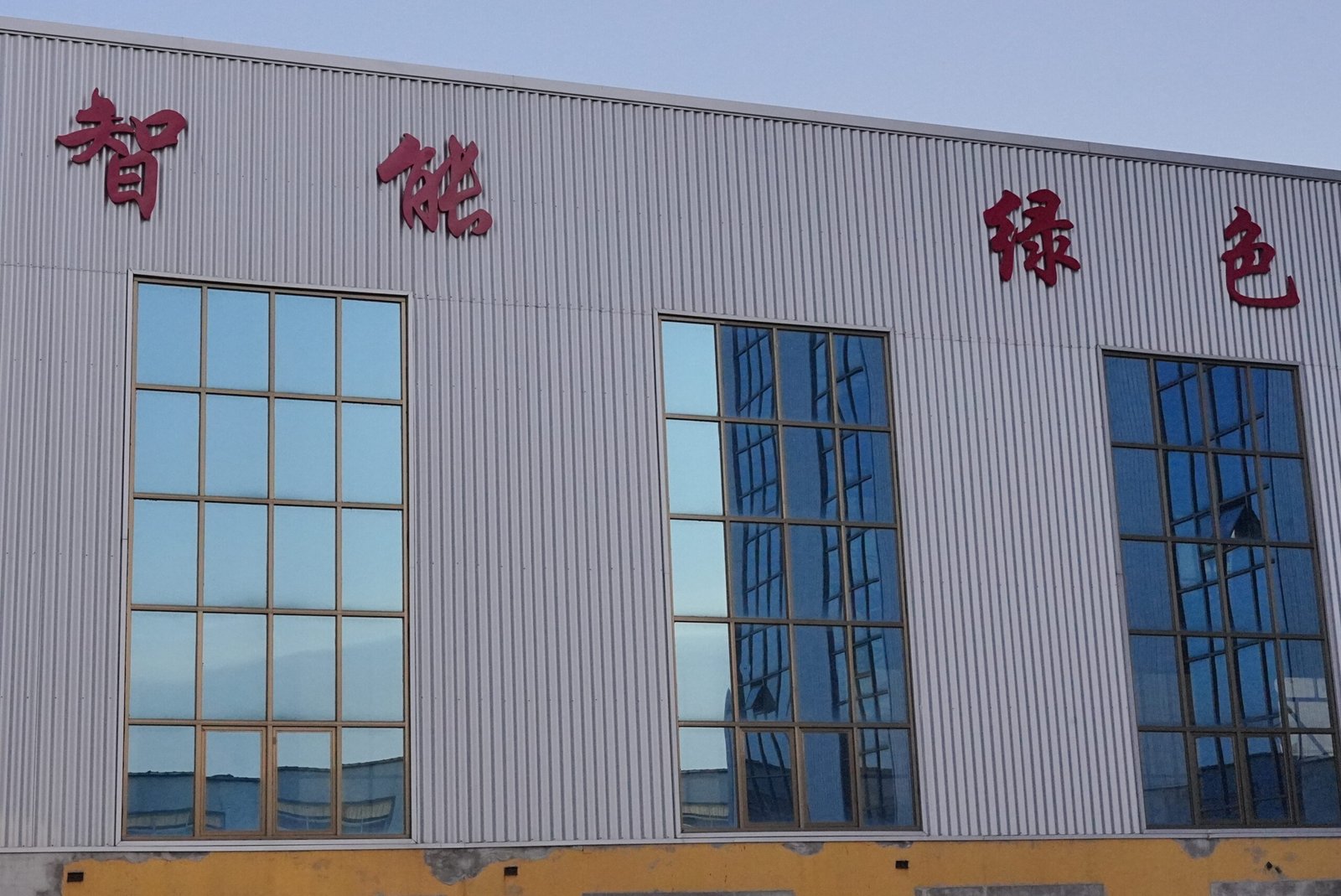
BAO Manufacturing and QC Authority
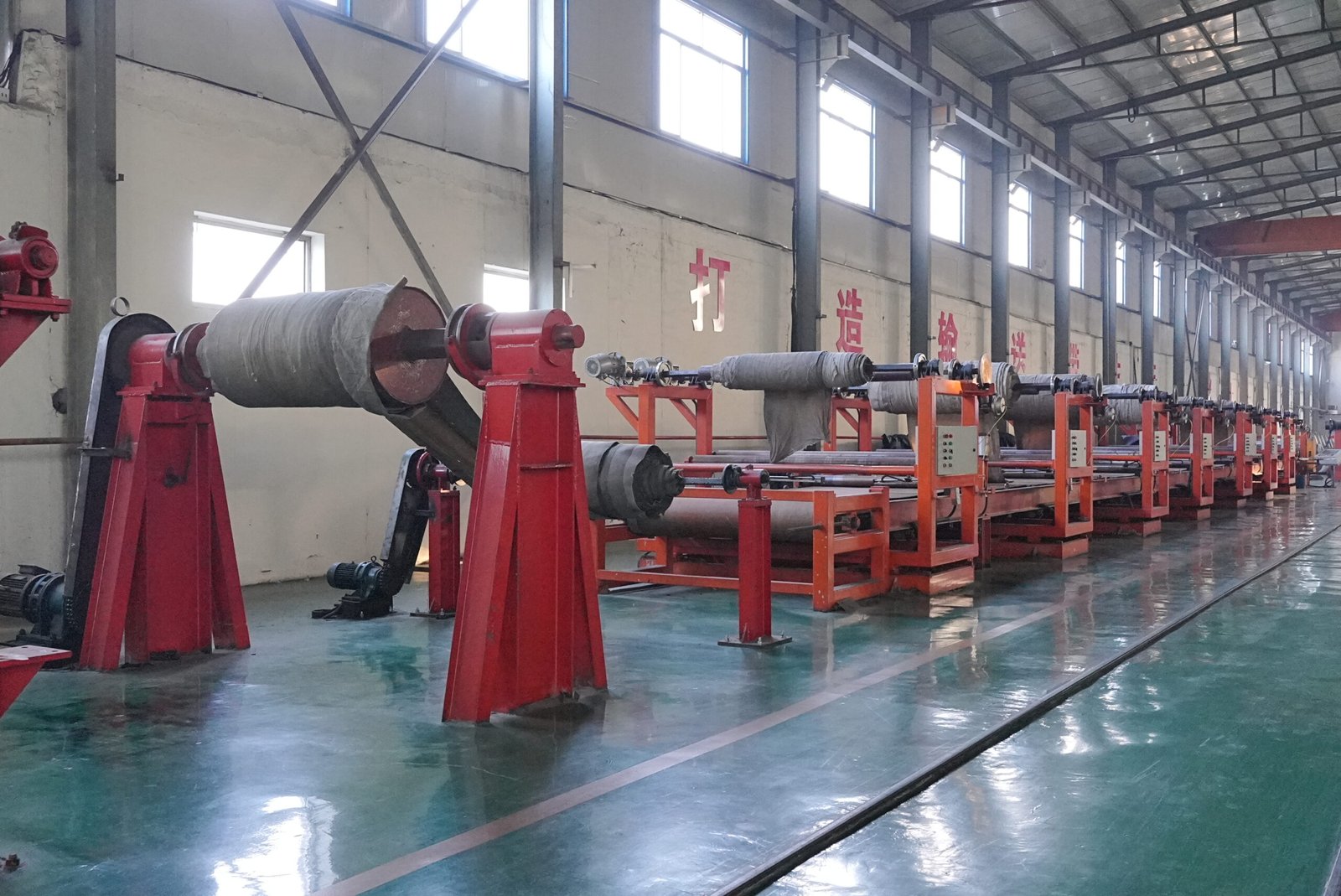
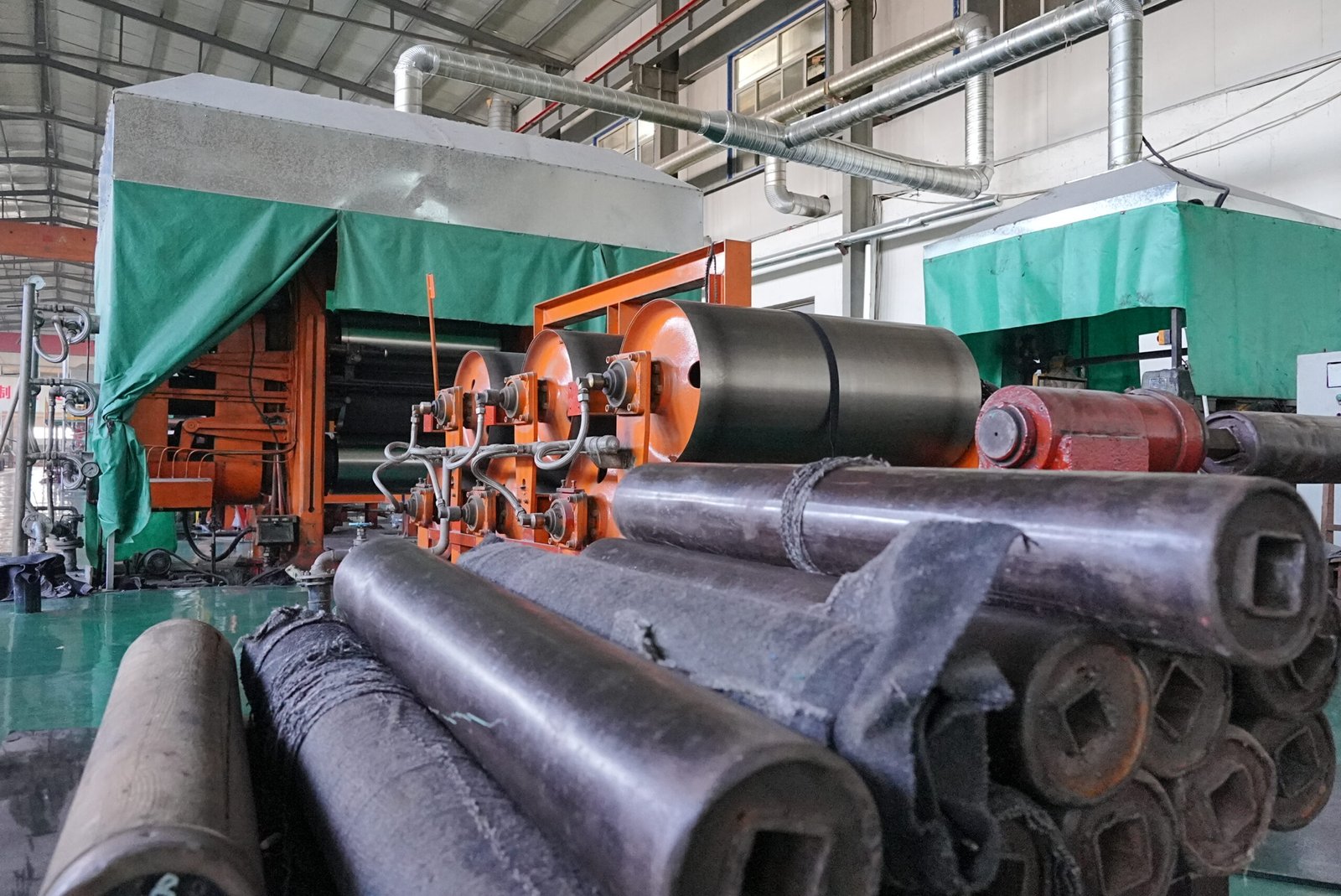
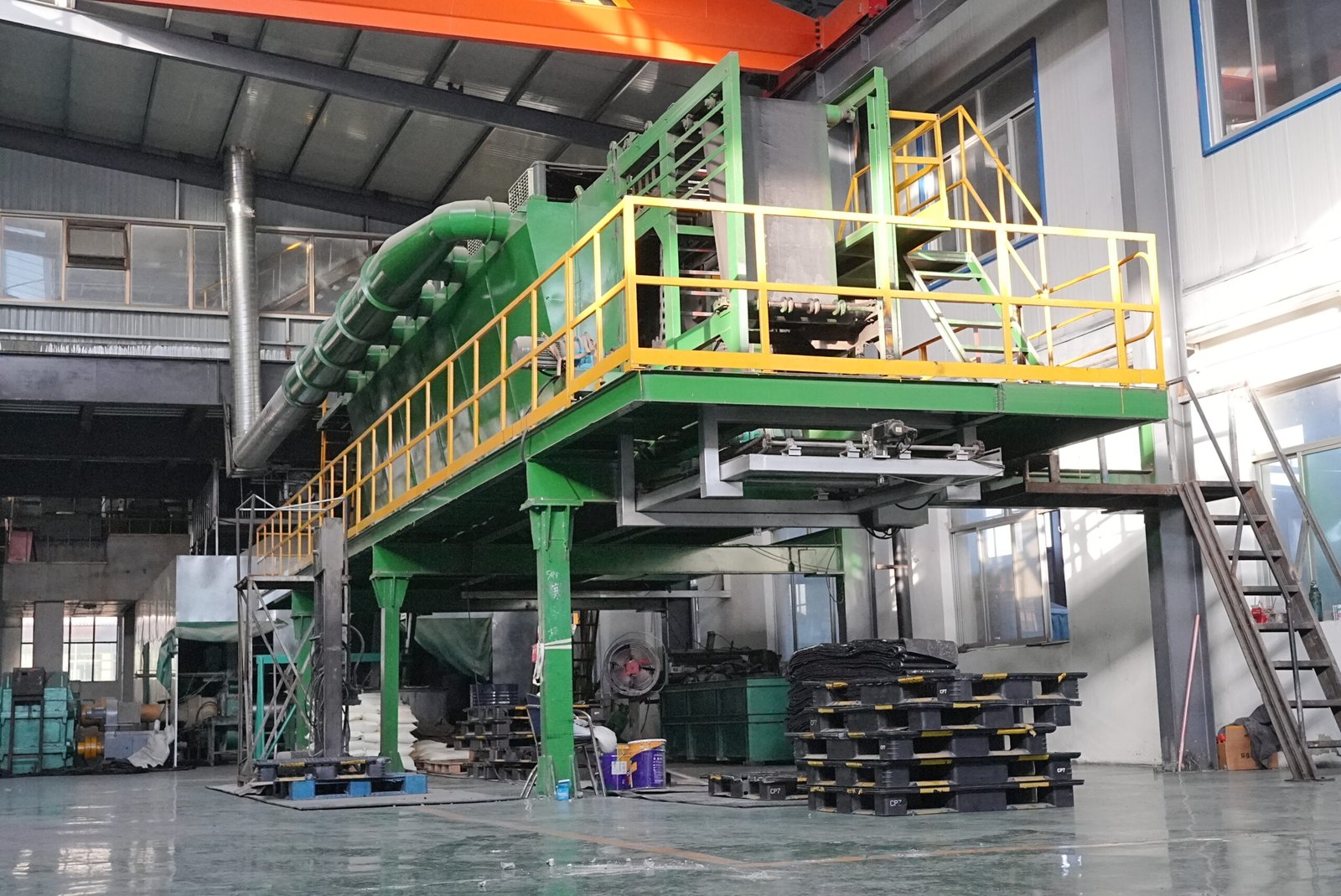
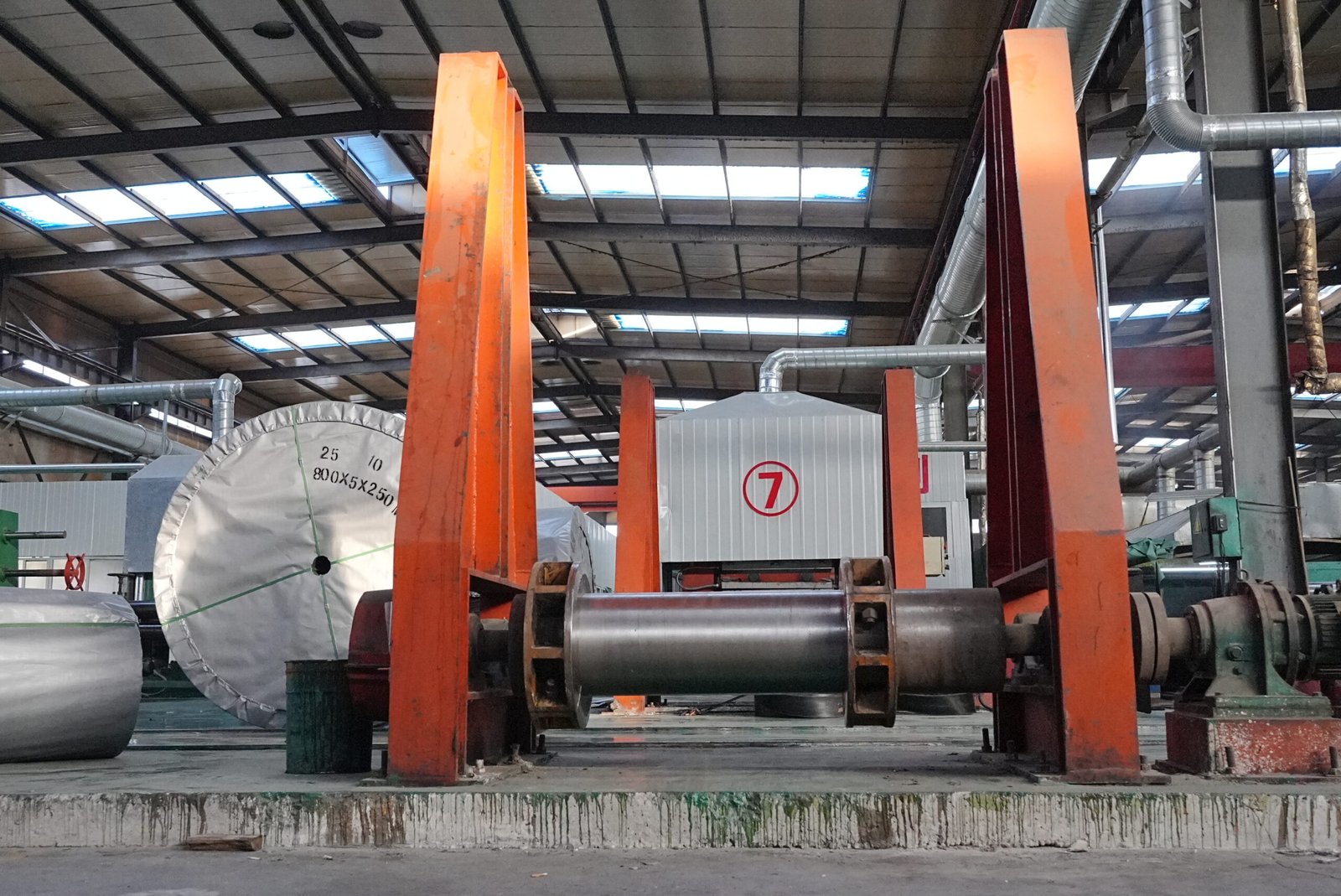
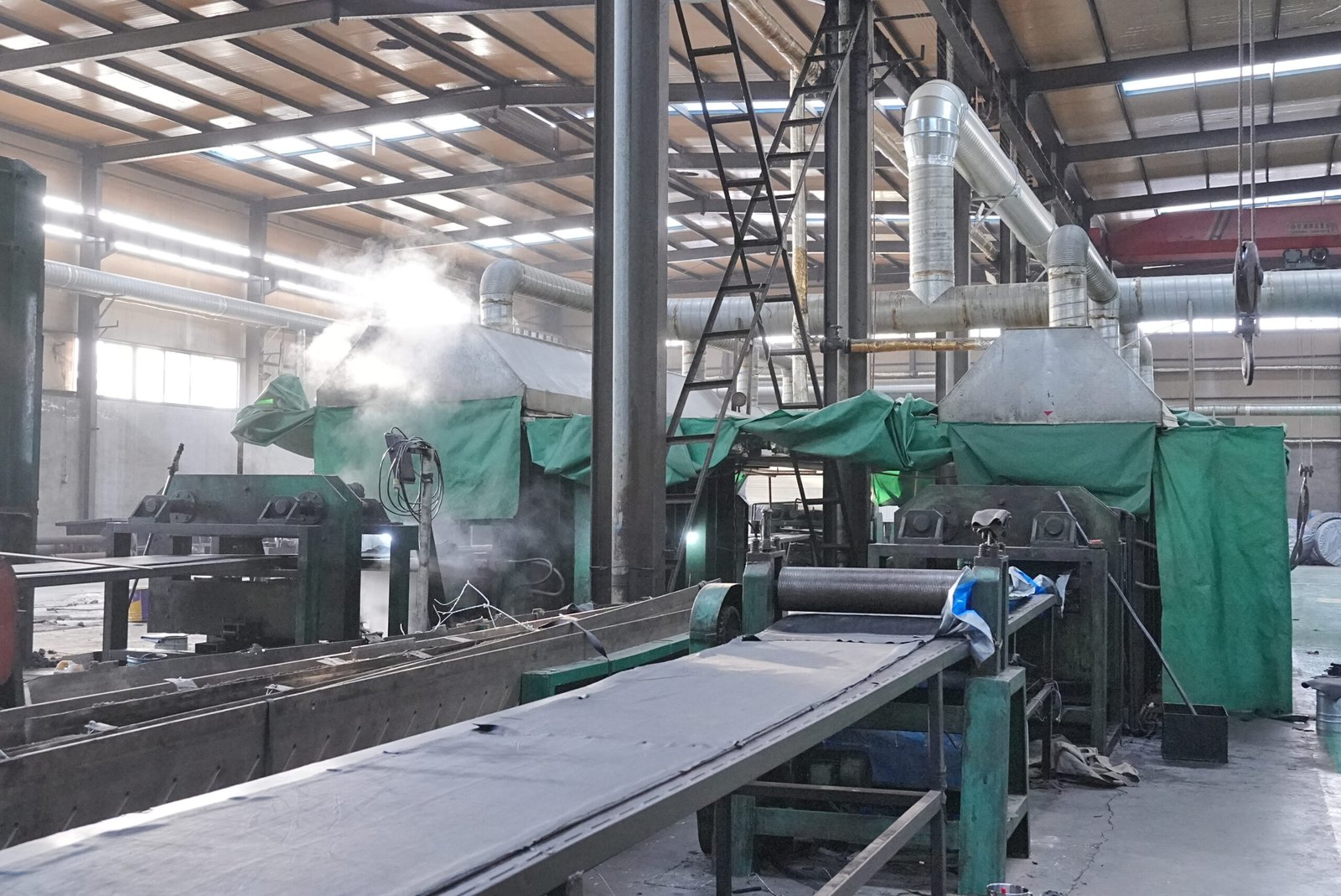
BAO is an established, large-scale manufacturer rooted in the Boye Industrial Hub, specializing in advanced heavy-duty conveyor systems since 1980. We integrate proprietary R&D and large-format production capacity up to 3300mm to deliver high-quality, technically demanding belting solutions globally.
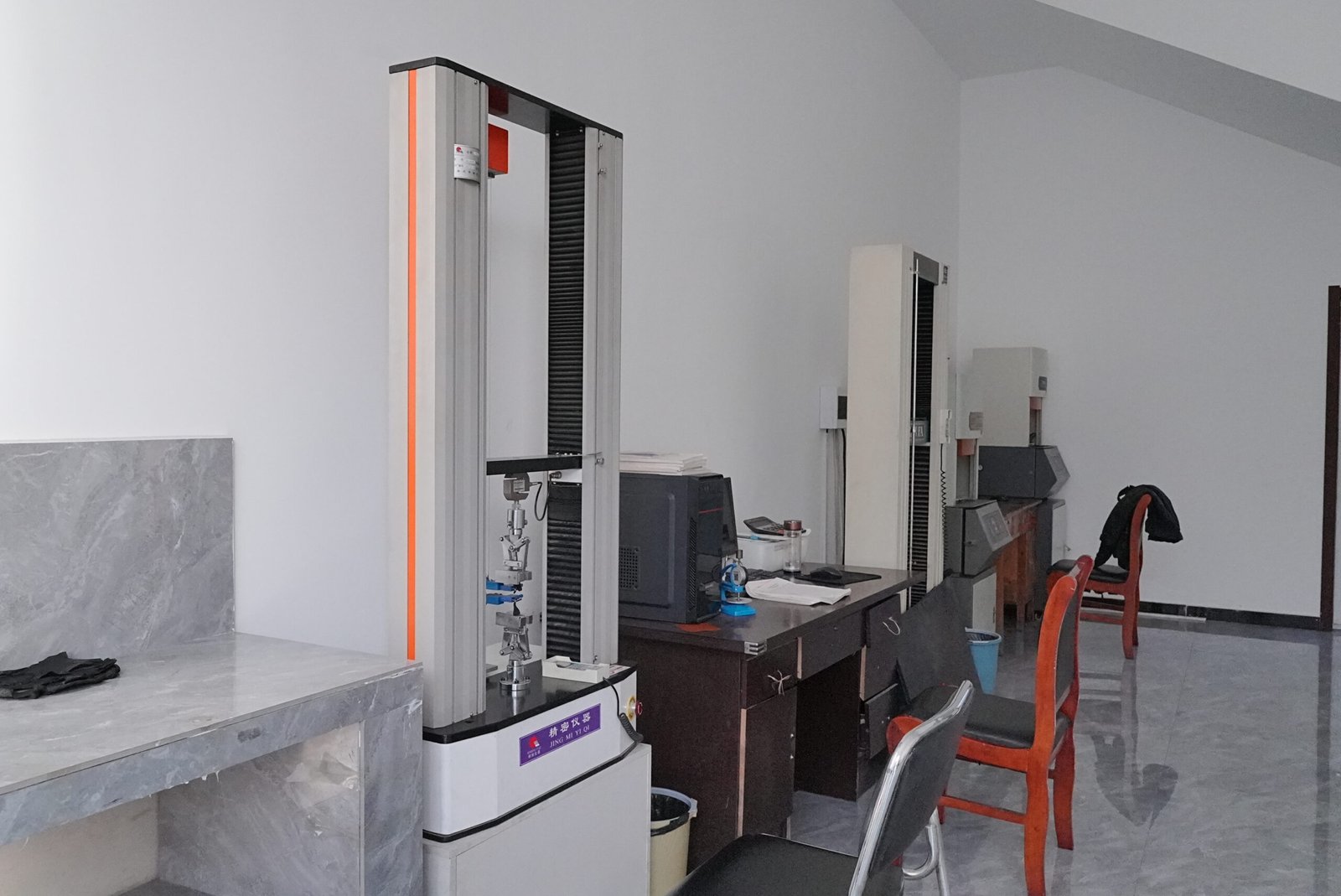
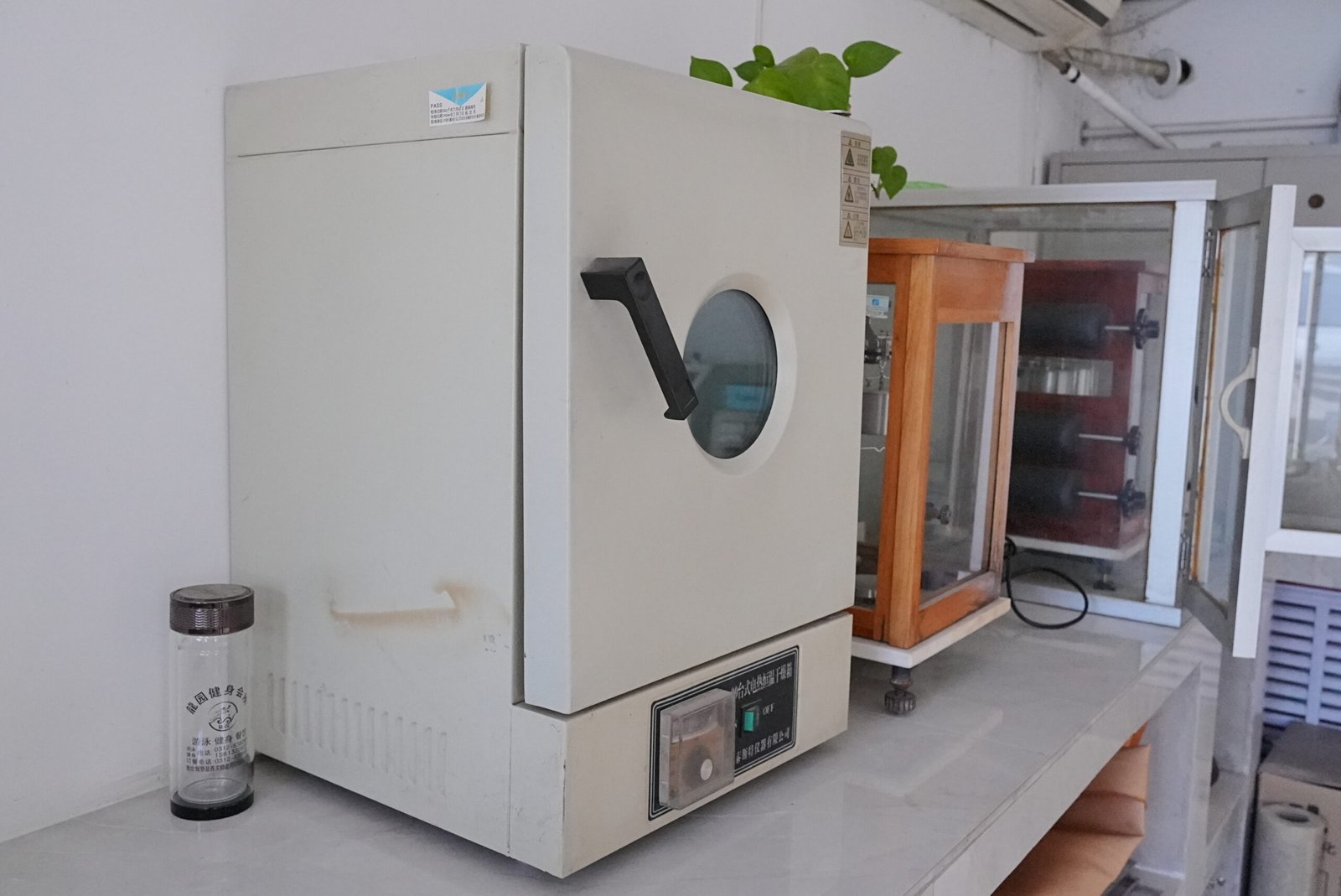
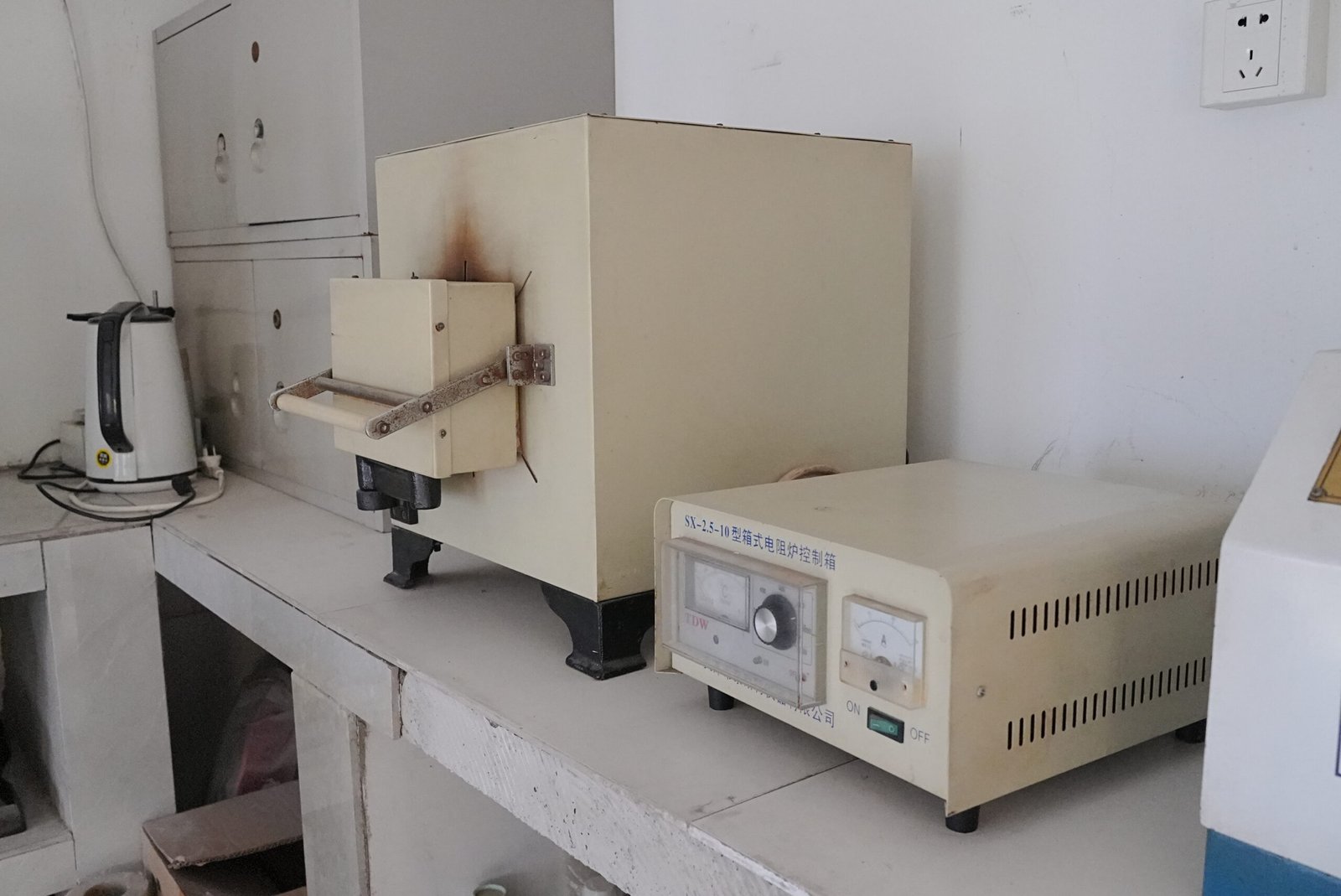
Customized Process
01
Define Requirements
Client submits all necessary parameters: belt type, ply count, width, and specific environmental details for analysis.
02
Engineering Design
Our engineering team validates technical feasibility and designs the optimal carcass and rubber compound structure.
03
Material Validation
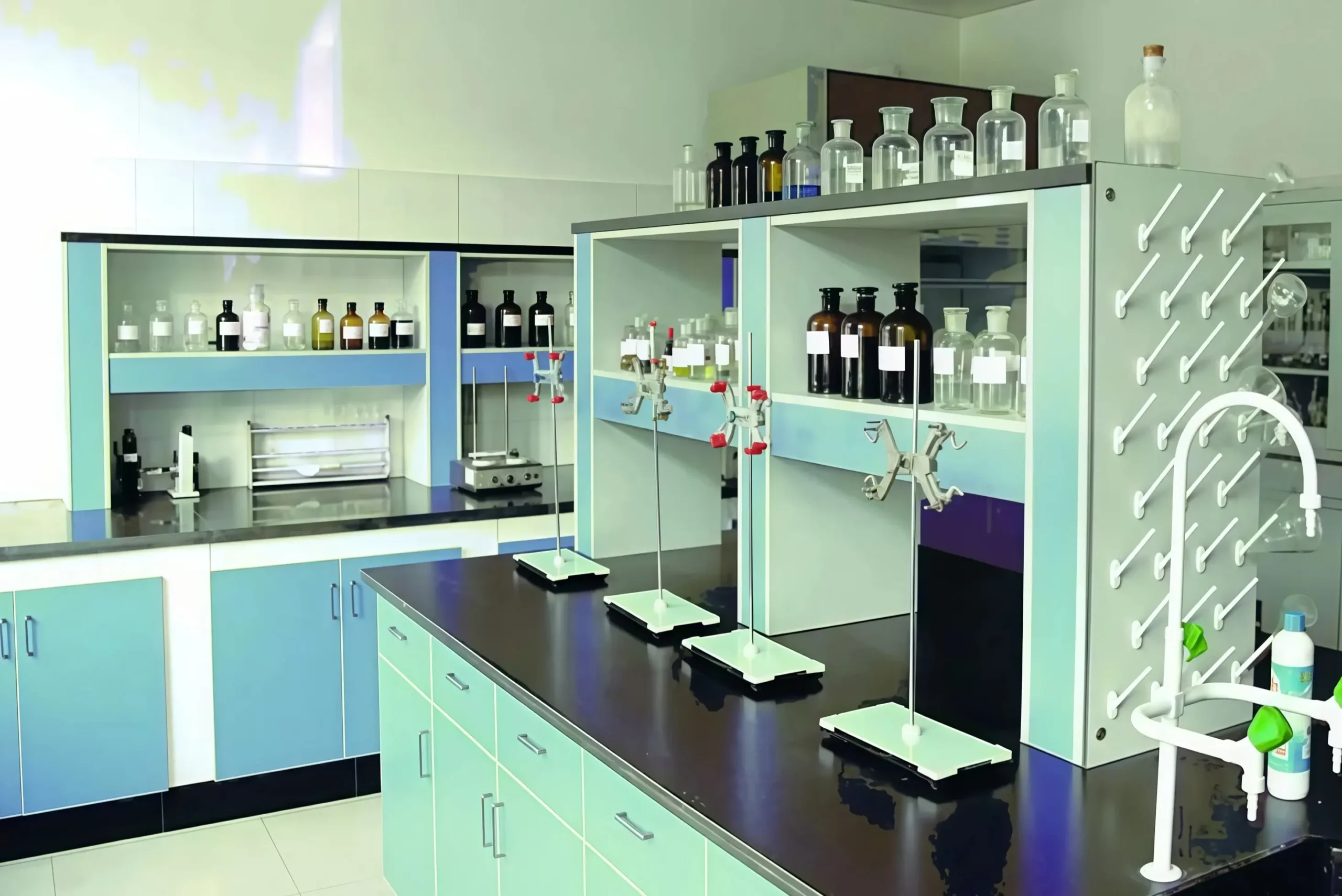
Raw materials are validated in our in-house lab to confirm integrity and performance before production commences.
04
Controlled Production
Manufacturing proceeds under strict QC protocols, utilizing high-capacity presses for a reliable, continuous supply.
05
Final Quality Check
Finished product undergoes comprehensive dimensional and physical property testing to verify compliance with order specifications.
06
Certified Delivery
Product is delivered with a complete quality inspection report, backed by long-term technical support services.
FAQs
1. How do you ensure resistance to both strong acids and strong alkalis?
We use
specialized, highly saturated synthetic elastomers and polymer blerds that are inherently
stable against a wide range of pH values.
2. What does "Volume expansion rate <= +/- 10%" mean for me?
It means the belt cover will not swell or shrink excessively when submerged in the chemical liquid, ensuring the belt maintains its dimension and tracking stability.
3. Is the carcass fabric also protected from chemical damage?
Yes, the thick, chemically resistant cover rubber and high-grade ply adhesion encapsulate and protect the textile carcass from liquid penetration.
4. Can I get a single belt that resists 18% HCI and 48% NaOH?
Yes, our standard
formulas (Class A1, A2, A3) are designed to offer simultaneous stability against both
acids and alkalis.
5. What is the impact of the chemical on the belt's tensile strength?
The rubber
formulation guarantees that the change rate of tensile strengtlafter soaking will be no
more than - 10%,ensuring the belt remains strong.
6. Can I use these belts in environments with high temperatures as weIl?
While they resist
chemicals, high-temperature resistance is a separate compound recquirement. We offer
dual-spec belts (e.g., Acid/Alkali and HR) upon customization.
7. Does the cover thickness affect chemical resistance performarce?
Yes, while the
compound provides the chemical immunity, thicker covers (above 1.6mm) provide a
greater protective barrier and longer service life against physical erosion.
8. What is the typical service life of an acid/alkali resistant belt?
If the belt is correctly
specified (Class A1, A2, or A3) for the chemical environment, its seervice life is highly
durable, often exceeding standard GP belts.
OUR PRODUCTS
DOWNLOAD BROCHURE
Company Profile.PDF
Services Detail.PDF
LET'S START PROJECT
+85244631970
Talk directly to a Senior Engineer for technical consultation and bespoke pricing.

Get In Touch With Us
our experts are ready to assist with your conveyor belt needs.
Our address:
Daqi Industrial Zone, Boye County, Baoding City, Hebei Province, China
Email us anytime
fiona@baoconveyorbelt.com
+85244631970